
DUI Insurance for First-Time Offenders — South Carolina
Free to compare
The 30-Day Hard Suspension Blocks Everything First
You were convicted of a first-offense DUI in South Carolina yesterday. Your court order says you're eligible for a Route Restricted License after 30 days, but HR just told you they need documentation by next week or you're terminated. The hard suspension period means exactly what it sounds like: zero driving for 30 days from your conviction date, no exceptions, no hardship bypass for employment.
South Carolina's Emma's Law makes this suspension structure rigid for DUI cases. The 30-day window runs from conviction, not arrest. Your Route Restricted License application opens on day 31. SCDMV will not process the application without active SR-22 proof of insurance already on file when you submit. That sequence trips up most first-time offenders who assume they can get the restricted license first and add insurance later.
“SCDMV will reject your Route Restricted License application if SR-22 is not already active in their system when you submit the packet.”

Find South Carolina Coverage After a DUI
Get My South Carolina DUI Insurance Quote30 days
SC First DUI Hard Suspension
South Carolina Code § 56-5-2951 mandates a 30-day period with no driving privilege before a Route Restricted License becomes available. The clock starts on conviction date. No hardship bypass exists during this window for first offenses.
SC Code § 56-5-2951
SR-22 Filing Is Required Before Route Restricted License Approval
SCDMV requires SR-22 proof of insurance as a precondition for issuing a Route Restricted License after DUI conviction. You cannot apply for the restricted license and add SR-22 later. The filing must be active and on file with SCDMV when you submit your application packet on day 31 or beyond.
The SR-22 is a continuous filing that stays active for 3 years from your conviction date. Your insurance carrier files it electronically with SCDMV. If the policy lapses or cancels at any point during those 3 years, the carrier notifies SCDMV automatically and your driving privilege suspends immediately without a grace period. Most carriers who write post-DUI policies file SR-22 within 1 to 3 business days of binding coverage.
You need liability coverage that meets South Carolina's minimum requirements: $25,000 bodily injury per person, $50,000 bodily injury per accident, $25,000 property damage. Uninsured motorist coverage is also required by state law. The SR-22 filing fee is set by your carrier, typically $15 to $50 as a one-time charge, separate from your premium.

SCDMV will reject your Route Restricted License application if SR-22 is not already active in their system when you submit the packet.


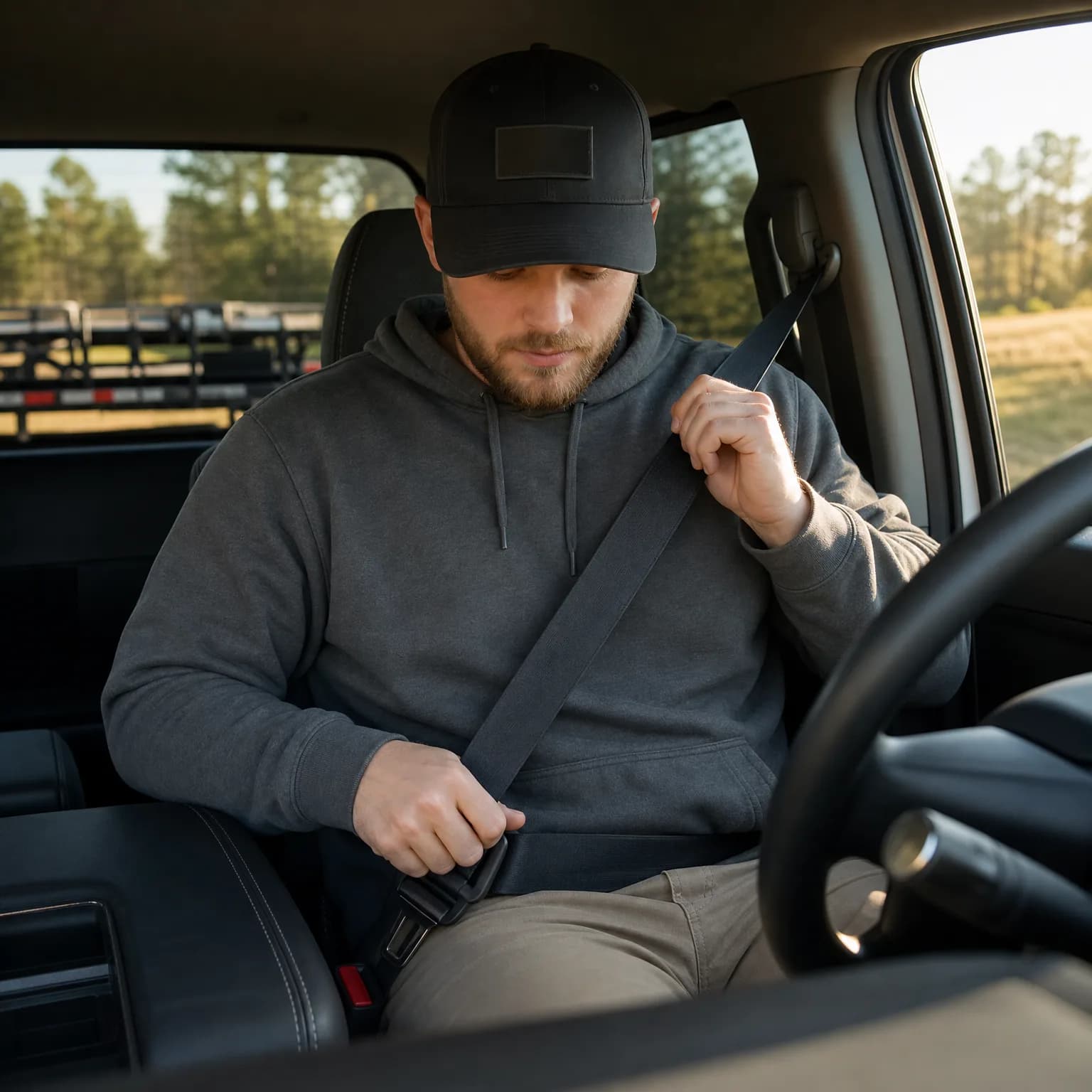


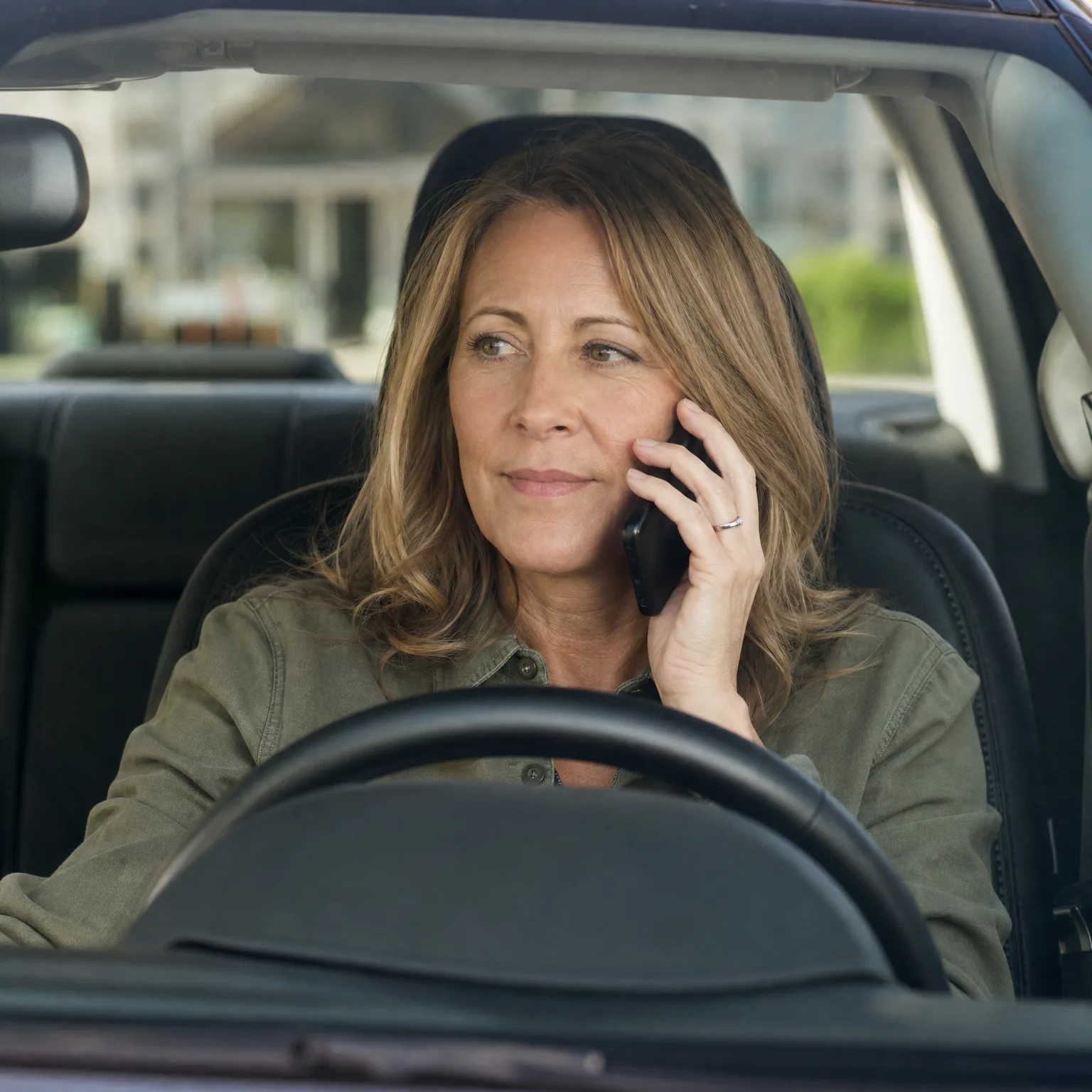

How to Get SR-22 Insurance as a First-Time DUI Offender
Start shopping for SR-22 coverage during your 30-day hard suspension so the filing is active by day 31. You need a carrier that writes non-standard auto insurance in South Carolina and files SR-22 electronically with SCDMV. Not all carriers write post-DUI policies. Geico, Progressive, State Farm, The General, Dairyland, GAINSCO, Bristol West, Direct Auto, National General, and Acceptance Insurance all write SR-22 coverage in South Carolina as of current carrier availability data.
If you own a vehicle, you need a standard liability policy with SR-22 endorsement. If you do not currently own a vehicle but need the Route Restricted License to commute to work or attend ADSAP classes, you need a non-owner SR-22 policy. Non-owner policies provide liability coverage when you drive a vehicle you do not own — a borrowed car, a rental, or a vehicle provided by your employer. SCDMV accepts non-owner SR-22 filings for reinstatement and restricted license eligibility. Geico, Progressive, USAA, The General, Dairyland, and GAINSCO all offer non-owner SR-22 policies in South Carolina.
Bind coverage before day 31. Confirm the carrier will file SR-22 electronically with SCDMV and ask for the filing confirmation. Bring proof of active SR-22 filing when you submit your Route Restricted License application packet to SCDMV along with your ignition interlock installation confirmation, ADSAP enrollment proof, and the $100 application fee.
3 years
SC SR-22 Filing Duration DUI
South Carolina requires continuous SR-22 filing for 3 years following a DUI conviction. The 3-year period begins on your conviction date. Any lapse in coverage during this period triggers automatic suspension of your driving privilege, and the 3-year clock resets from the date you refile.
SCDMV SR-22 Requirements

ADSAP Completion Is Also Required
South Carolina mandates completion of the Alcohol and Drug Safety Action Program before full license reinstatement after DUI. ADSAP is a state-specific education and intervention program distinct from generic DUI classes used in other states. You must enroll during your suspension period and complete all required sessions. Missing two consecutive ADSAP classes triggers automatic revocation of your Route Restricted License if you have one.
ADSAP enrollment proof is required when you apply for the Route Restricted License. SCDMV wants confirmation that you are actively participating in the program before they issue restricted driving privileges. The program includes assessment, education sessions, and possible treatment referrals depending on your evaluation. Completion of ADSAP is also required for full license reinstatement after your suspension period ends.
Compare Carriers Before Day 31
Premiums vary significantly by carrier for post-DUI SR-22 policies. Some carriers specialize in high-risk auto and price competitively for DUI cases. Others do not write DUI policies at all or price them prohibitively. Compare at least three carriers that confirm they write SR-22 in South Carolina before binding. Verify the carrier files SR-22 electronically with SCDMV — paper filings delay processing and can cause your Route Restricted License application to be rejected for incomplete documentation. Start this process now so SR-22 is active and confirmed in SCDMV's system when your 30-day hard suspension ends and you can apply for the Route Restricted License.
What Route Restricted License Actually Allows
SCDMV specifies the permitted routes and time windows on the license document. Most Route Restricted Licenses for first-offense DUI cases allow travel to and from employment, to and from ADSAP classes (Alcohol and Drug Safety Action Program, which is mandatory for DUI reinstatement in South Carolina), medical appointments, and religious services. The license typically does not permit general errands, social travel, or recreational driving. Violating the route or time restrictions triggers automatic revocation and restarts your suspension period from zero.
Ignition interlock device installation is required for first-offense DUI cases as a condition of the Route Restricted License under Emma's Law. You must have the device installed by an approved vendor before SCDMV will issue the restricted license. The ignition interlock requirement runs concurrently with the SR-22 filing period. Installation and monthly monitoring fees are paid directly to the vendor, separate from insurance costs. Budget approximately $70 to $150 for installation and $60 to $90 per month for monitoring and calibration.
Get Your Free Quote
Get My South Carolina DUI Insurance QuoteFrequently Asked Questions
Do I need SR-22 insurance during the 30-day hard suspension in South Carolina?
You cannot drive during the 30-day hard suspension, but you need SR-22 active before day 31 if you plan to apply for a Route Restricted License. SCDMV requires proof of active SR-22 filing as part of the Route Restricted License application packet. Bind coverage during the hard suspension so the filing is ready when you apply.
Can I get a Route Restricted License immediately after a first DUI in South Carolina?
No. South Carolina imposes a mandatory 30-day hard suspension from the conviction date before you can apply for a Route Restricted License. The application opens on day 31. You must have SR-22 insurance active and ignition interlock installed before SCDMV will approve the application.
What is the SR-22 filing fee in South Carolina?
The SR-22 filing fee is set by your insurance carrier, typically $15 to $50 as a one-time charge separate from your premium. The fee covers the carrier's cost of filing the SR-22 form electronically with SCDMV. Some carriers include the fee in your first payment; others bill it separately.
How long does SR-22 filing take in South Carolina?
Most carriers file SR-22 electronically with SCDMV within 1 to 3 business days of binding your policy. Confirm your carrier files electronically and ask for filing confirmation before you submit your Route Restricted License application to SCDMV.
What happens if my SR-22 insurance lapses in South Carolina?
Your carrier notifies SCDMV immediately when your SR-22 policy lapses or cancels. SCDMV suspends your driving privilege automatically with no grace period. If you have a Route Restricted License, it is revoked. The 3-year SR-22 filing clock resets from the date you refile, extending your total filing period.
Can I get non-owner SR-22 insurance in South Carolina after a DUI?
Yes. South Carolina accepts non-owner SR-22 filings for reinstatement and Route Restricted License eligibility. Non-owner policies provide liability coverage when you drive a vehicle you do not own. Geico, Progressive, USAA, The General, Dairyland, and GAINSCO all offer non-owner SR-22 in South Carolina.
Is ignition interlock required for first-offense DUI in South Carolina?
Yes. South Carolina's Emma's Law requires ignition interlock installation for first-offense DUI cases as a condition of Route Restricted License eligibility. You must have the device installed by an approved vendor and bring installation confirmation when you apply for the restricted license.