
DUI Insurance for High-Risk Drivers — South Carolina
Free to compare
Two Insurance Paths After DUI Conviction
Your South Carolina DUI conviction triggered a 180-day minimum suspension, and now you're facing a choice that affects what insurance you can buy and what it costs. If you're pursuing a Route Restricted License through SCDMV to drive during suspension, you need SR-22 coverage plus proof of ignition interlock installation. If you're waiting out the full suspension period before reinstatement, you still need SR-22 but the ignition interlock requirement doesn't apply until you file for restricted privileges.
The insurance market treats these paths differently. Carriers writing Route Restricted License cases price for the ignition interlock verification requirement and the administrative overhead of monitoring your restricted-use compliance. Carriers writing suspended drivers waiting for full reinstatement price for the lapse risk and the SR-22 filing period without the interlock complications. Same conviction, same SR-22 requirement, different underwriting models.
“Same conviction, same SR-22 requirement, but Route Restricted License cases and full-suspension cases hit different underwriting models at most carriers.”

Find South Carolina Coverage After a DUI
Get My South Carolina DUI Insurance Quote$100
SC Route Restricted License Fee
South Carolina charges $100 to apply for a Route Restricted License through SCDMV, separate from the $100 reinstatement fee you'll pay when the suspension ends. Both fees are non-refundable even if your application is denied for unpaid fines or incomplete ADSAP enrollment.
SCDMV fee schedule, SC Code § 56-1-1320
What SR-22 Filing Actually Does
SR-22 is not insurance. It's a certification filed by your insurance carrier directly with SCDMV proving you carry South Carolina's minimum liability limits: $25,000 per person bodily injury, $50,000 per accident bodily injury, $25,000 property damage. The carrier files electronically the day you purchase the policy and maintains the filing continuously for 3 years from your conviction date.
If your policy lapses for non-payment or cancellation during the 3-year SR-22 period, the carrier notifies SCDMV within 24 hours and your license is automatically re-suspended. No grace period. You must purchase a new policy, wait for the new carrier to file SR-22, and pay a reinstatement fee to lift the administrative suspension before you can legally drive again.
The SR-22 filing itself costs $15 to $50 depending on carrier. This is a one-time administrative fee charged when the carrier files, separate from your premium. Geico charges $15. Progressive charges $25. The General and Direct Auto charge $25. Bristol West and Dairyland charge closer to $50. The filing fee is disclosed at quote and appears as a line item on your first invoice.
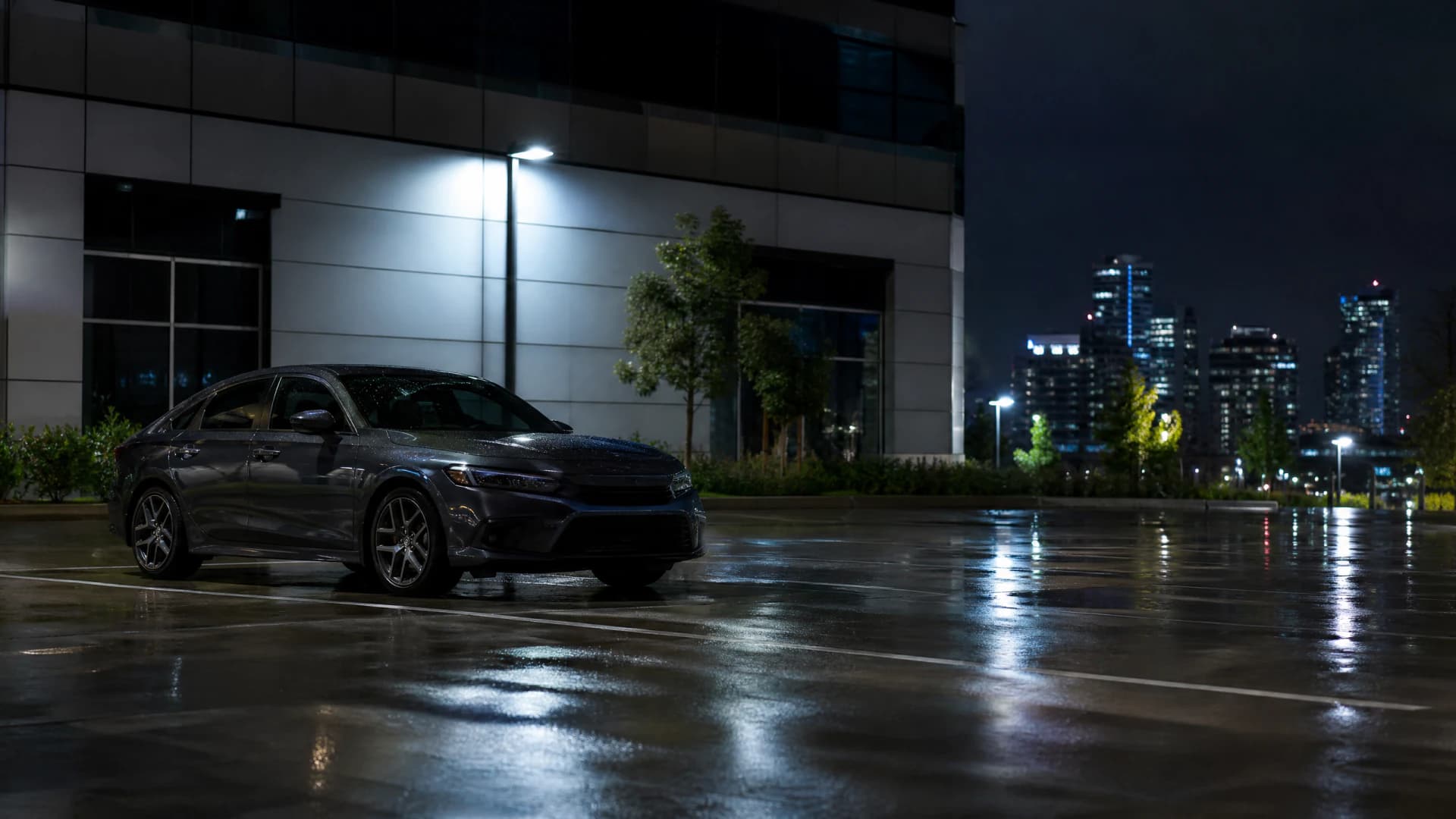
Emma's Law mandates ignition interlock for any DUI restricted license in South Carolina, including first offenses. You cannot get a Route Restricted License without IID installation confirmation.



Carriers Writing DUI Cases in South Carolina
Fifteen carriers actively write South Carolina DUI drivers with SR-22 filing. Not all write Route Restricted License cases, and not all write non-owner policies if you don't currently have a vehicle. Geico, Progressive, State Farm, and USAA write SR-22 for DUI convictions and will quote you whether you own a vehicle or not. The General, Direct Auto, Bristol West, Dairyland, GAINSCO, and Acceptance specialize in high-risk drivers and write both owner and non-owner SR-22 policies.
National General writes SR-22 after DUI but requires you to own and insure a vehicle — they do not offer non-owner policies. State Farm writes SR-22 but eligibility varies by agent and underwriting review; some agents decline DUI cases within the first year after conviction. USAA writes SR-22 and non-owner policies but membership is restricted to military servicemembers and their families.
Route Restricted License cases are harder to place. Carriers that write them include The General, Direct Auto, Bristol West, Dairyland, and GAINSCO. These carriers are familiar with the SCDMV restricted license documentation process and will accept IID installation as part of underwriting. Progressive and Geico will write you during a Route Restricted License period but they price the policy as a standard DUI SR-22 case — the restricted license itself doesn't change their rate, only the underlying conviction does.
3 years
SC SR-22 Filing Duration
South Carolina requires continuous SR-22 filing for 3 years measured from the date of your DUI conviction, not the date you purchase insurance or the date your suspension ends. If you're convicted January 2025, your SR-22 obligation runs until January 2028 regardless of when you actually buy the policy or reinstate your license.
SC Code § 56-5-2951, SCDMV reinstatement requirements

ADSAP Completion and Reinstatement Timing
South Carolina requires DUI offenders to complete the Alcohol and Drug Safety Action Program before SCDMV will reinstate your license or approve a Route Restricted License application. ADSAP is a state-specific program, not a generic DUI education class. The program includes an assessment, education sessions, and follow-up monitoring. Completion takes 4 to 12 weeks depending on your assessment level and class scheduling.
You can enroll in ADSAP immediately after conviction — you do not need to wait for your suspension to begin. Completing ADSAP early positions you to apply for a Route Restricted License as soon as the mandatory 30-day hard suspension ends. If you wait until the suspension is underway to start ADSAP, you lose weeks of potential restricted driving time because SCDMV will not process your Route Restricted License application until you provide proof of ADSAP completion.
Insurance carriers do not verify ADSAP enrollment or completion. That verification happens at SCDMV when you apply for reinstatement or a restricted license. Some carriers ask whether you've completed a DUI program during underwriting, but this question is informational — it doesn't block coverage. Purchase SR-22 insurance as soon as you're eligible even if ADSAP is still in progress.
Non-Owner SR-22 If You Don't Have a Vehicle
If you don't currently own a vehicle but need SR-22 to satisfy SCDMV reinstatement requirements or to support a Route Restricted License application, a non-owner SR-22 policy meets the legal filing obligation. Non-owner policies provide liability coverage when you drive a vehicle you don't own — a borrowed car, a rental, or a vehicle provided by your employer. The policy does not cover a vehicle you own, lease, or have regular access to.
Non-owner SR-22 costs significantly less than standard owner policies because the carrier is only covering occasional use, not daily commuting or primary vehicle operation. Expect $30 to $60 per month from carriers like Geico, Progressive, The General, or Dairyland. The SR-22 filing fee ($15 to $50) is the same whether you're buying owner or non-owner coverage.
When you eventually purchase or lease a vehicle, you must switch from non-owner to owner coverage immediately. Driving a vehicle you own while insured under a non-owner policy voids your coverage — the carrier will deny any claim. Most carriers allow you to convert a non-owner policy to owner coverage mid-term without penalty. The SR-22 filing transfers to the new owner policy and your 3-year SR-22 clock does not reset.
Compare Carriers That Write Your Situation
Request quotes from at least three carriers writing South Carolina DUI cases with SR-22. If you're pursuing a Route Restricted License, specify that when requesting quotes — some carriers price restricted-license cases differently than full-suspension cases, and you need quotes that reflect your actual situation. If you don't own a vehicle, request non-owner SR-22 quotes specifically.
Provide your conviction date, your suspension start date, whether you've completed ADSAP, and whether you've installed an ignition interlock device. Carriers use these dates to calculate your SR-22 filing period and to assess how far into the violation window you are. A driver 6 months past conviction with ADSAP completed and IID installed presents differently than a driver 30 days past conviction with nothing completed yet. Compare total 6-month cost including the SR-22 filing fee, not just the monthly premium.
Route Restricted License Insurance Requirements
Your insurance carrier must file SR-22 before you submit your Route Restricted License application to SCDMV. The application itself requires you to attach proof of SR-22 filing — either a letter from your carrier or the SR-22 certificate showing your policy effective date and the filing date. SCDMV will not process the application without this document. Purchase the policy first, wait 24 to 48 hours for the carrier to complete electronic filing with the state, then request written confirmation from the carrier showing the SR-22 is on file.
The ignition interlock device must be installed by an SCDMV-approved vendor and you must provide the installation certificate as part of your application packet. The IID requirement applies even if you're only driving to work or medical appointments under the restricted routes. Carriers do not verify IID installation themselves — SCDMV owns that verification step — but some carriers ask whether you have an active interlock device during underwriting because it affects their risk assessment and premium calculation.
Get Your Free Quote
Get My South Carolina DUI Insurance QuoteFrequently Asked Questions
Do I need SR-22 insurance during my South Carolina DUI suspension?
Yes. South Carolina requires continuous SR-22 filing for 3 years from your DUI conviction date whether your license is suspended, restricted, or fully reinstated. If you let coverage lapse during the 3-year period, SCDMV automatically re-suspends your license and you'll pay another reinstatement fee to restore it.
Can I get a Route Restricted License without installing an ignition interlock device?
No. Emma's Law mandates ignition interlock for any DUI restricted driving privilege in South Carolina, including first offenses. SCDMV will not approve your Route Restricted License application without IID installation confirmation from an approved vendor.
How long does the mandatory hard suspension last before I can apply for a Route Restricted License?
South Carolina imposes a 30-day hard suspension with no driving privilege for a first-offense DUI before you're eligible to apply for a Route Restricted License. You can enroll in ADSAP and purchase SR-22 insurance during the hard suspension, but you cannot drive legally until the 30 days pass and SCDMV approves your restricted license.
What happens if my SR-22 insurance lapses during the 3-year filing period?
Your carrier notifies SCDMV electronically within 24 hours of cancellation or non-renewal. SCDMV automatically suspends your license the same day they receive the lapse notification. You must purchase new SR-22 coverage, wait for the new carrier to file, and pay a $100 reinstatement fee to lift the administrative suspension before you can drive again.
Can I buy non-owner SR-22 insurance if I don't own a car in South Carolina?
Yes. Non-owner SR-22 policies provide liability coverage when you drive vehicles you don't own and satisfy SCDMV's SR-22 filing requirement for reinstatement or Route Restricted License eligibility. Geico, Progressive, The General, USAA, Dairyland, and GAINSCO all write non-owner SR-22 in South Carolina.
Does completing ADSAP reduce my SR-22 filing period?
No. ADSAP completion is required for reinstatement and Route Restricted License eligibility, but it does not shorten the 3-year SR-22 filing period. The filing period runs from your conviction date regardless of when you complete ADSAP or any other program requirement.
Which carriers write Route Restricted License cases in South Carolina?
The General, Direct Auto, Bristol West, Dairyland, and GAINSCO actively write Route Restricted License cases with ignition interlock and SR-22. Progressive and Geico will write you during a restricted license period but they price the policy as a standard DUI SR-22 case without separate restricted-license underwriting.