
The General SR-22 After a DUI — South Carolina
Free to compare
The General Quote That Wasn't The General
You received a DUI conviction in South Carolina, searched for SR-22 insurance, and got a quote from The General. The monthly premium looked manageable. You clicked through, started the application, and somewhere in the process the carrier name changed — or the underwriter listed on the policy documents wasn't The General at all. You're now insured by a company you didn't research, with SR-22 filing protocols you didn't vet, and you're not sure whether the policy you bought will actually satisfy South Carolina's 3-year SR-22 requirement.
This isn't bait-and-switch. It's how non-standard auto insurance works in South Carolina after a DUI. The General writes high-risk business in South Carolina, but DUI cases often route through third-party underwriters or program administrators whose names don't appear in the initial quote. The monthly rate you see is real. The SR-22 filing obligation is real. But the entity responsible for transmitting your SR-22 certificate to the South Carolina Department of Motor Vehicles may not be The General's internal compliance team — it's a separate underwriter with separate systems, separate customer service, and separate failure modes you didn't plan for.
“The underwriter listed on your declarations page files your SR-22 — not The General. If that underwriter's systems fail, your license re-suspends.”

Find South Carolina Coverage After a DUI
Get My South Carolina DUI Insurance Quote3 years
SC DUI SR-22 Filing Period
South Carolina requires continuous SR-22 filing for 3 years after a DUI conviction, measured from the conviction date. Any lapse in coverage or filing triggers immediate license re-suspension and restarts the 3-year clock.
South Carolina Department of Motor Vehicles
How The General Routes South Carolina DUI Business
The General operates as both a direct writer and a program administrator. In South Carolina, DUI cases with SR-22 requirements typically flow through The General's non-standard programs, which are underwritten by third-party carriers. These carriers include National Liability & Fire Insurance Company, Viking Insurance Company of Wisconsin, and other non-standard underwriters that participate in The General's distribution network. The policy you receive carries The General's branding and customer service infrastructure, but the underwriter listed on your declarations page is the entity legally responsible for filing and maintaining your SR-22 certificate with the SCDMV.
This structure is standard in the non-standard auto insurance tier. Carriers like The General aggregate high-risk business, underwrite it through specialized partners, and manage the customer relationship. The problem for South Carolina DUI drivers is that SR-22 filing reliability depends on the underwriter's compliance systems, not The General's marketing presence. If the underwriter's electronic filing system fails, or if their payment processing triggers a lapse notice before you can cure a missed payment, your SR-22 cancels and your license re-suspends — even if you thought you were insured by a household name.
The General does write some South Carolina DUI business directly through its own underwriting entities, particularly for drivers with less severe violations or longer time since conviction. But first-offense DUI cases with active SR-22 requirements almost always route to third-party underwriters. You won't know which underwriter you're assigned to until you complete the application and review the policy documents. By that point, you've already committed to the quote.

The underwriter listed on your declarations page is the entity that files your SR-22 — not The General. If that underwriter's systems fail, your license re-suspends regardless of The General's brand reputation.


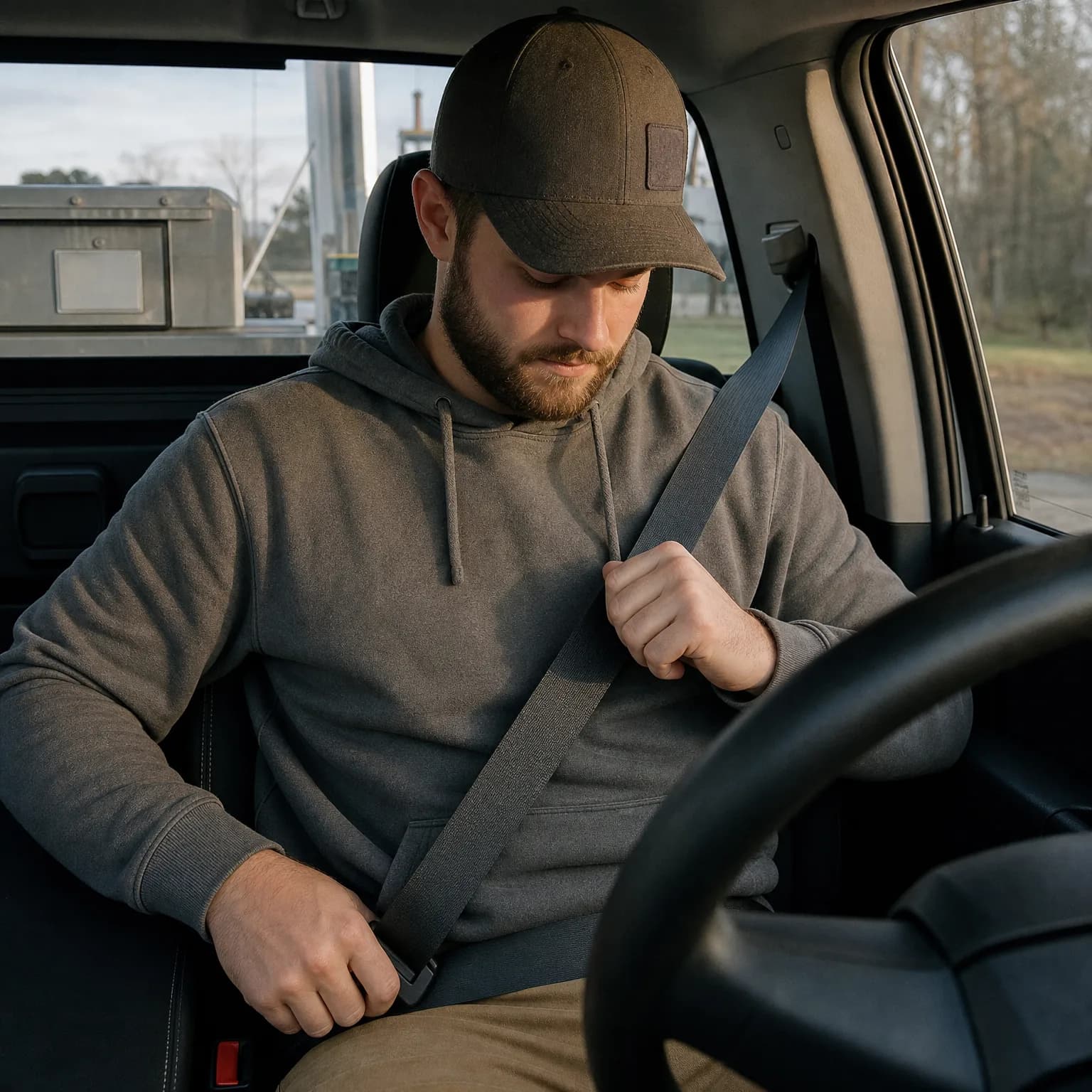




Where The General's SR-22 Filing Fails South Carolina Drivers
The General's SR-22 filing process fails at three points: payment processing, lapse notification timing, and underwriter handoffs. South Carolina DUI drivers who miss a single monthly payment often discover their SR-22 was cancelled before they received a lapse notice. The underwriter's payment processing system flags the missed payment, initiates a cancellation notice to the SCDMV, and your license re-suspends within 10 days. The General's customer service team can reinstate the policy if you pay the overdue premium plus a reinstatement fee, but the SCDMV has already processed the SR-22 cancellation. You must file a new SR-22 certificate and pay a $100 reinstatement fee to the SCDMV to restore your driving privileges. The 3-year SR-22 clock does not restart, but the administrative suspension adds 30-90 days to your timeline.
Underwriter handoffs create a second failure mode. If The General transfers your policy to a different underwriter mid-term — which happens when underwriters exit states or renegotiate program agreements — the new underwriter must file a new SR-22 certificate with the SCDMV. The transition should be seamless, but gaps occur. If the outgoing underwriter cancels your SR-22 before the incoming underwriter files the replacement certificate, the SCDMV records a lapse. You receive no notification until your license is already suspended. The General's customer service representatives often cannot explain which underwriter currently holds your policy or whether the SR-22 transition completed successfully. You must contact the SCDMV directly to verify active SR-22 status.
The third failure mode is electronic filing system errors. The General's underwriters transmit SR-22 certificates electronically to the SCDMV, but transmission errors occur. The underwriter's system shows the certificate was filed; the SCDMV's system shows no record. You assume compliance. Weeks or months later, you discover your license was suspended for failure to maintain SR-22 filing. The General's underwriters will refile the certificate once the error is identified, but you've already lost driving privileges and must pay the $100 reinstatement fee to the SCDMV.
$100
SC License Reinstatement Fee
South Carolina charges a $100 reinstatement fee after any suspension, including SR-22 lapse suspensions. This fee is separate from the cost of refiling your SR-22 certificate and separate from any late payment fees your carrier charges.
South Carolina Department of Motor Vehicles

Comparing The General to Other South Carolina DUI Carriers
The General competes with Dairyland, Bristol West, Direct Auto, Progressive, and GAINSCO in South Carolina's non-standard DUI market. All five carriers write SR-22 business after DUI convictions. All five route high-risk cases through third-party underwriters or non-standard subsidiaries. The differences lie in payment-plan tolerance, SR-22 filing reliability, and the transparency of underwriter assignments. Dairyland and Progressive disclose the underwriting entity upfront during the quote process. The General, Bristol West, and Direct Auto often do not reveal the underwriter until you review the policy documents after purchase.
Payment-plan tolerance matters more than monthly cost for South Carolina DUI drivers. The General offers monthly payment plans, but missed payments trigger immediate cancellation notices. Dairyland and Progressive offer 10-day grace periods before initiating SR-22 cancellation, giving you time to cure a missed payment without triggering a license suspension. Bristol West and Direct Auto operate on shorter grace periods — typically 5 days — and their underwriters file SR-22 cancellation notices faster than The General's network. If you anticipate payment timing issues, Dairyland and Progressive provide more margin for error.
What to Do If You're Already Insured by The General
If you purchased SR-22 insurance through The General after a South Carolina DUI, verify your SR-22 filing status with the SCDMV directly. Call the SCDMV Driver Records section at 803-896-5000 or check your driving record online through the SCDMV's online services portal. Confirm that an active SR-22 certificate is on file, that the certificate lists the correct underwriter and policy number, and that the filing period reflects the 3-year requirement South Carolina imposes. If the SCDMV shows no SR-22 on file, contact The General's customer service immediately and request proof of electronic filing. Do not assume the certificate was filed correctly just because you received a copy by mail.
Set up automatic payments if The General's underwriter offers them. Automatic payments eliminate the missed-payment failure mode that triggers most SR-22 lapse suspensions. If automatic payments are not available, set calendar reminders 5 days before each payment due date. The General's underwriters initiate cancellation notices within 10 days of a missed payment, and the SCDMV processes SR-22 cancellations within 3-5 business days of receiving the notice. You have less than two weeks to cure a missed payment before your license suspends. Compare SR-22 carriers writing South Carolina DUI cases if The General's payment terms do not fit your cash flow — Dairyland and Progressive offer longer grace periods and more flexible payment arrangements for drivers who cannot maintain strict monthly schedules.
What The General's SR-22 Filing Process Actually Requires
When you purchase a policy through The General for a South Carolina DUI case, the underwriter files an SR-22 certificate electronically with the SCDMV within 1-5 business days of policy inception. South Carolina accepts electronic SR-22 filings, and most underwriters in The General's network transmit certificates the same day the policy binds. You receive a copy of the SR-22 certificate by mail and email. The certificate lists the underwriter's name, your policy number, the effective date, and the 3-year filing period South Carolina requires. The SCDMV receives the same certificate electronically and updates your driving record to show active SR-22 compliance.
The filing itself costs nothing beyond the policy premium — South Carolina charges no state SR-22 filing fee, and The General's underwriters do not charge a separate SR-22 processing fee. The cost you pay is the elevated premium that reflects your DUI conviction and the non-standard underwriting tier. That premium typically runs $327-$411 per month for South Carolina DUI drivers, 61-72% higher than clean-record rates. The General's quotes often fall in the middle of that range, but the final premium depends on the underwriter assigned to your case, your age, your county, and whether you're insuring a vehicle you own or purchasing a non-owner policy to satisfy the SR-22 requirement without owning a car.
Get Your Free Quote
Get My South Carolina DUI Insurance QuoteFrequently Asked Questions
Does The General file SR-22 certificates electronically in South Carolina?
Yes. The General's underwriters file SR-22 certificates electronically with the South Carolina DMV within 1-5 business days of policy inception. South Carolina accepts electronic SR-22 filings, and most underwriters transmit certificates the same day the policy binds. You receive a copy by mail and email.
How much does The General charge for SR-22 filing in South Carolina?
The General's underwriters do not charge a separate SR-22 filing fee. South Carolina charges no state SR-22 filing fee. The cost you pay is the elevated premium that reflects your DUI conviction and the non-standard underwriting tier, typically $327-$411 per month for South Carolina DUI drivers.
What happens if I miss a payment on my General SR-22 policy?
The General's underwriters initiate SR-22 cancellation notices within 10 days of a missed payment. The South Carolina DMV processes the cancellation within 3-5 business days, and your license re-suspends. You must pay the overdue premium, refile the SR-22 certificate, and pay a $100 reinstatement fee to the SCDMV to restore driving privileges.
Can I verify my SR-22 filing status with the South Carolina DMV?
Yes. Call the SCDMV Driver Records section at 803-896-5000 or check your driving record online through the SCDMV's online services portal. Confirm that an active SR-22 certificate is on file with the correct underwriter and policy number. Do not assume the certificate was filed correctly just because you received a copy by mail.
Does The General offer non-owner SR-22 policies in South Carolina?
Yes. The General writes non-owner SR-22 policies for South Carolina DUI drivers who do not own a vehicle. Non-owner policies satisfy the state's SR-22 requirement and typically cost 40-60% less than owner policies. The same 3-year filing period applies.
Which underwriter will The General assign to my South Carolina DUI case?
The General routes South Carolina DUI cases to third-party underwriters including National Liability & Fire Insurance Company and Viking Insurance Company of Wisconsin. You will not know which underwriter is assigned until you complete the application and review the policy documents. The underwriter listed on your declarations page is responsible for filing and maintaining your SR-22 certificate.
How long does South Carolina require SR-22 filing after a DUI?
South Carolina requires continuous SR-22 filing for 3 years after a DUI conviction, measured from the conviction date. Any lapse in coverage or filing triggers immediate license re-suspension and restarts the 3-year clock. The General's underwriters file the certificate for the full 3-year period.