
Progressive SR-22 After DUI — South Carolina
Free to compare
The Quote Doesn't Match the Timeline
Progressive gave you an SR-22 quote within 48 hours of your South Carolina DUI conviction. The monthly premium ($85–$140 for liability-only SR-22) was higher than your old policy, but manageable. What the quote didn't explain: the SR-22 filing alone doesn't trigger reinstatement. South Carolina imposes a mandatory 30-day hard suspension before any driving privilege — hardship or full — can be restored. During those 30 days, no insurance filing moves the needle.
You're comparing the Progressive quote against what you need to actually drive again. That gap is where most suspended drivers get stuck. The SR-22 is one component in a four-step reinstatement sequence controlled by SCDMV and the court system, not your carrier. Progressive can file the form electronically the day you bind coverage, but your Route Restricted License or full reinstatement won't arrive until the suspension period, ADSAP completion, ignition interlock installation, and reinstatement fee payment all clear.
“The SR-22 filing satisfies insurance proof but doesn't bypass suspension, ADSAP, or ignition interlock — those three steps control your timeline.”

Find South Carolina Coverage After a DUI
Get My South Carolina DUI Insurance Quote30 days
SC DUI Hard Suspension
South Carolina law requires a 30-day period with no driving privilege — hardship or otherwise — before any restricted license application can be processed. The SR-22 filing during this window satisfies the insurance requirement but does not shorten the suspension.
SC Code § 56-5-2951
What Progressive's SR-22 Filing Actually Does
Progressive's SR-22 is an electronic certification sent to SCDMV confirming you carry at least South Carolina's minimum liability limits: $25,000 per person, $50,000 per accident for bodily injury, and $25,000 for property damage. The filing itself has no upfront fee from Progressive — the cost is embedded in your monthly premium as a risk-rated surcharge. Most DUI drivers see premiums between $85 and $140 per month for minimum-limits SR-22 coverage, depending on age, county, and prior claims history.
The filing happens within 24 hours of policy binding. SCDMV receives it electronically and posts it to your driving record. That posting satisfies the insurance proof requirement for reinstatement, but it doesn't waive the 30-day suspension, the ADSAP mandate, or the ignition interlock device requirement. Progressive has no control over those three components — they're statutory obligations enforced by SCDMV and the court.
If you let the Progressive policy lapse or cancel before the 3-year filing period ends, Progressive sends an SR-26 cancellation notice to SCDMV within 10 days. That triggers an immediate administrative suspension of your driving privilege, regardless of whether your original DUI suspension has been lifted. The 3-year clock starts from your conviction date, not your filing date, so tracking the end date is your responsibility.
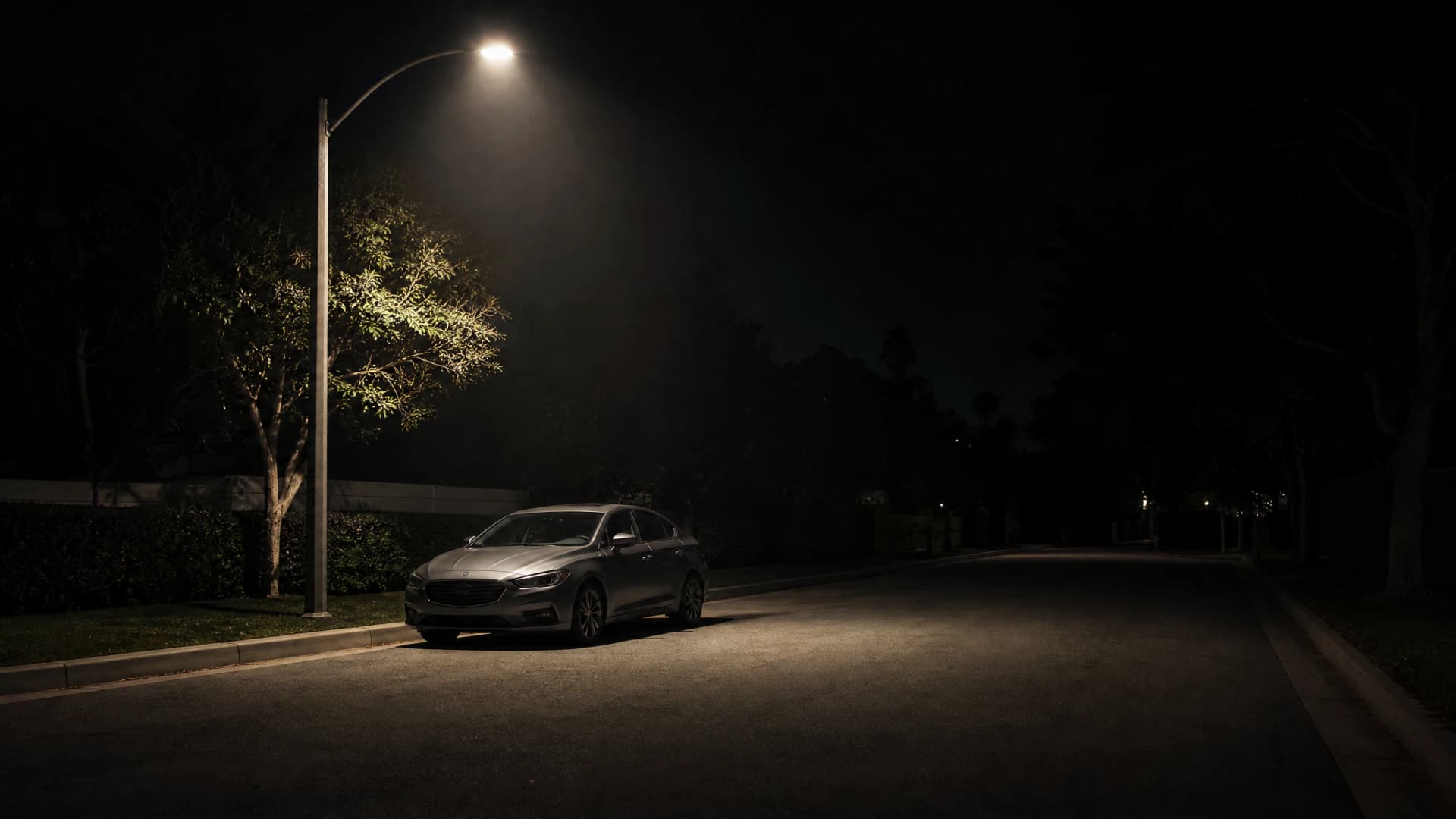
The SR-22 filing satisfies SCDMV's insurance proof requirement, but it does not bypass the 30-day suspension, ADSAP completion, or ignition interlock installation — those three steps block reinstatement regardless of when you file.




Progressive vs Other Non-Standard Carriers in South Carolina
Progressive writes SR-22 policies in South Carolina through its standard underwriting tier, which means DUI drivers are quoted alongside drivers with clean records but face higher premiums due to risk scoring. Carriers like The General, Bristol West, and Dairyland write SR-22 through non-standard subsidiaries designed specifically for high-risk drivers. The practical difference: Progressive's quote may come in lower for drivers with otherwise clean records (no prior claims, no lapses, stable address history), while non-standard specialists often quote more competitively for drivers with compounding violations.
All SR-22 carriers in South Carolina file electronically to SCDMV and impose the same 3-year continuous-coverage requirement. The premium variance comes from how each carrier prices DUI risk. Progressive uses a credit-based insurance score, driving history lookback (typically 3–5 years), and vehicle rating factors. Non-standard carriers often de-emphasize credit and focus more heavily on violation recency and payment history. If Progressive's quote is significantly higher than expected, compare against at least two non-standard carriers before binding.
One structural quirk: Progressive offers online policy management and allows drivers to upload proof-of-IID-installation documents through their account portal, which SCDMV sometimes requests during Route Restricted License audits. Non-standard carriers may require faxed or mailed documentation. This doesn't affect legal compliance, but it does affect how quickly you can respond to SCDMV verification requests.
$100
SC Reinstatement Fee
After completing the 30-day suspension, ADSAP, and IID installation, you must pay a $100 reinstatement fee to SCDMV before your driving privilege is restored. This fee is separate from your SR-22 premium and is paid directly to the state.
SCDMV Reinstatement Fee Schedule

Route Restricted License Availability After Day 30
Once the 30-day hard suspension clears, you become eligible to apply for a South Carolina Route Restricted License. This is not an automatic process — you submit an application to SCDMV with proof of SR-22 filing, ADSAP enrollment or completion, and IID installation confirmation. The application fee is $100, paid at the time of submission. SCDMV reviews the application and, if approved, issues a license specifying court-defined or SCDMV-defined routes.
The Route Restricted License allows driving only to and from specified locations: typically work, school, medical appointments, ADSAP classes, and IID service appointments. Driving outside those routes or outside specified hours constitutes a violation of your restricted privilege and triggers immediate revocation. If you're convicted of any moving violation while holding a Route Restricted License, SCDMV revokes the restricted privilege and you return to full suspension with no hardship option for the remainder of your original suspension period.
Start With the SR-22 Filing Now
The 30-day hard suspension is a waiting period you cannot bypass, but you can bind your Progressive SR-22 policy during that window so the filing posts to your SCDMV record before day 31. That eliminates one processing delay when you apply for your Route Restricted License. If you haven't yet enrolled in ADSAP, contact a state-certified provider this week — completion takes 4–6 weeks on average, and SCDMV won't approve your restricted license application without it. If Progressive's quote doesn't fit your budget, compare SR-22 carriers writing in South Carolina to see whether a non-standard specialist offers a lower rate for your profile.
The Four-Step Reinstatement Sequence
Step 1: Serve the 30-Day Hard Suspension. No driving privilege exists during this period. You cannot apply for a Route Restricted License, and the SR-22 filing does not shorten it. The 30 days begin from your conviction date or the effective date of your administrative suspension, whichever is later. During this window, you should enroll in ADSAP and begin scheduling your ignition interlock installation so both are ready when day 31 arrives.
Step 2: File SR-22 Proof of Insurance. Progressive (or any carrier writing non-standard auto in South Carolina) files the SR-22 electronically once you bind a policy meeting minimum limits. This satisfies SCDMV's insurance proof requirement. You must maintain continuous coverage for 3 years from your conviction date. Step 3: Complete ADSAP. South Carolina's Alcohol and Drug Safety Action Program is a mandatory assessment and education course required for all DUI reinstatements. ADSAP providers are state-certified; completion certificates must be submitted to SCDMV before reinstatement is approved. Step 4: Install Ignition Interlock Device. Emma's Law mandates IID installation for all DUI offenders as a condition of any driving privilege, including Route Restricted Licenses. The device must remain installed for the duration specified by the court, typically 6 months minimum for first offenses.
Get Your Free Quote
Get My South Carolina DUI Insurance QuoteFrequently Asked Questions
Does Progressive file SR-22 the same day I buy the policy?
Progressive files the SR-22 electronically to SCDMV within 24 hours of binding your policy. The filing posts to your driving record within 2–3 business days. You can verify the posting by checking your SCDMV driving record online or calling the SCDMV reinstatement unit.
Can I get a Route Restricted License before the 30-day suspension ends?
No. South Carolina law requires a mandatory 30-day period with no driving privilege before any restricted license application can be processed. The SR-22 filing during this window satisfies the insurance requirement but does not shorten the suspension.
What happens if I cancel my Progressive SR-22 policy before 3 years?
Progressive sends an SR-26 cancellation notice to SCDMV within 10 days. SCDMV suspends your driving privilege immediately, even if your original DUI suspension has been lifted. You must file a new SR-22 with a different carrier to restore your privilege and restart the 3-year continuous-coverage clock.
How much does Progressive charge for SR-22 coverage after a DUI in South Carolina?
Most South Carolina DUI drivers pay $85–$140 per month for minimum-limits SR-22 coverage through Progressive. Rates vary by age, county, vehicle type, and prior claims history. Progressive embeds the SR-22 filing cost into your monthly premium — there's no separate upfront fee.
Do I need to install an ignition interlock device before applying for a Route Restricted License?
Yes. South Carolina's Emma's Law mandates ignition interlock installation for all DUI offenders as a condition of any driving privilege, including Route Restricted Licenses. You must submit IID installation confirmation to SCDMV when you apply for the restricted license.
Can I drive to the grocery store with a South Carolina Route Restricted License?
Only if grocery shopping is explicitly listed as an approved purpose on your Route Restricted License. Most licenses restrict driving to work, school, medical appointments, ADSAP classes, and IID service appointments. Driving outside approved routes or purposes triggers immediate revocation.