
Non-Owner SR-22 Insurance After a DUI — South Carolina
Free to compare
Why You Need Insurance When You Don't Have a Car
Your license was suspended after a DUI in South Carolina. You don't own a vehicle—sold it after the suspension, never had one to begin with, or someone else in your household drives. SCDMV told you that reinstatement requires SR-22 filing. You're staring at a requirement to buy car insurance for a car you don't have.
This is the core confusion non-owner SR-22 exists to solve. South Carolina doesn't require you to insure a specific vehicle. The state requires proof that you carry liability coverage continuously for three years after a DUI conviction. Non-owner SR-22 policies provide that proof without naming a vehicle on the policy. You're not insuring a car. You're maintaining the coverage obligation the state imposed when it suspended your license.
“Non-owner SR-22 maintains the coverage obligation South Carolina imposed—you're not insuring a car, you're satisfying a three-year filing mandate.”

Find South Carolina Coverage After a DUI
Get My South Carolina DUI Insurance Quote3 years
SC SR-22 Filing Period
South Carolina Code § 56-10-260 requires continuous SR-22 certification for three years following a DUI conviction, measured from the conviction date. The clock does not reset if you lapse—but lapsing triggers a new suspension and you start the filing period over from the reinstatement date.
SC Code § 56-10-260
What Non-Owner SR-22 Actually Covers
Non-owner SR-22 is liability-only coverage that follows you, not a vehicle. It pays for injuries and property damage you cause while driving someone else's car—a borrowed vehicle, a rental, a friend's car. The policy does not cover damage to the vehicle you're driving. It does not cover your own injuries. It exists solely to meet South Carolina's $25,000/$50,000/$25,000 minimum liability requirement and satisfy the SR-22 filing mandate.
The SR-22 itself is not insurance. It's a form your insurance carrier files electronically with SCDMV certifying that you carry a policy meeting the state's liability minimums. SCDMV receives continuous updates: when the policy goes into force, when you pay your premium, when the policy lapses or cancels. A lapse triggers immediate suspension. The three-year clock does not pause while you're suspended—it resets when you reinstate, meaning a lapse adds months or years to your total filing burden.
Non-owner policies are explicitly designed for drivers in your structural position. Carriers writing non-owner SR-22 in South Carolina include Geico, Progressive, Dairyland, GAINSCO, and The General. Not all carriers offer non-owner policies—State Farm does not, for example—so comparison matters.
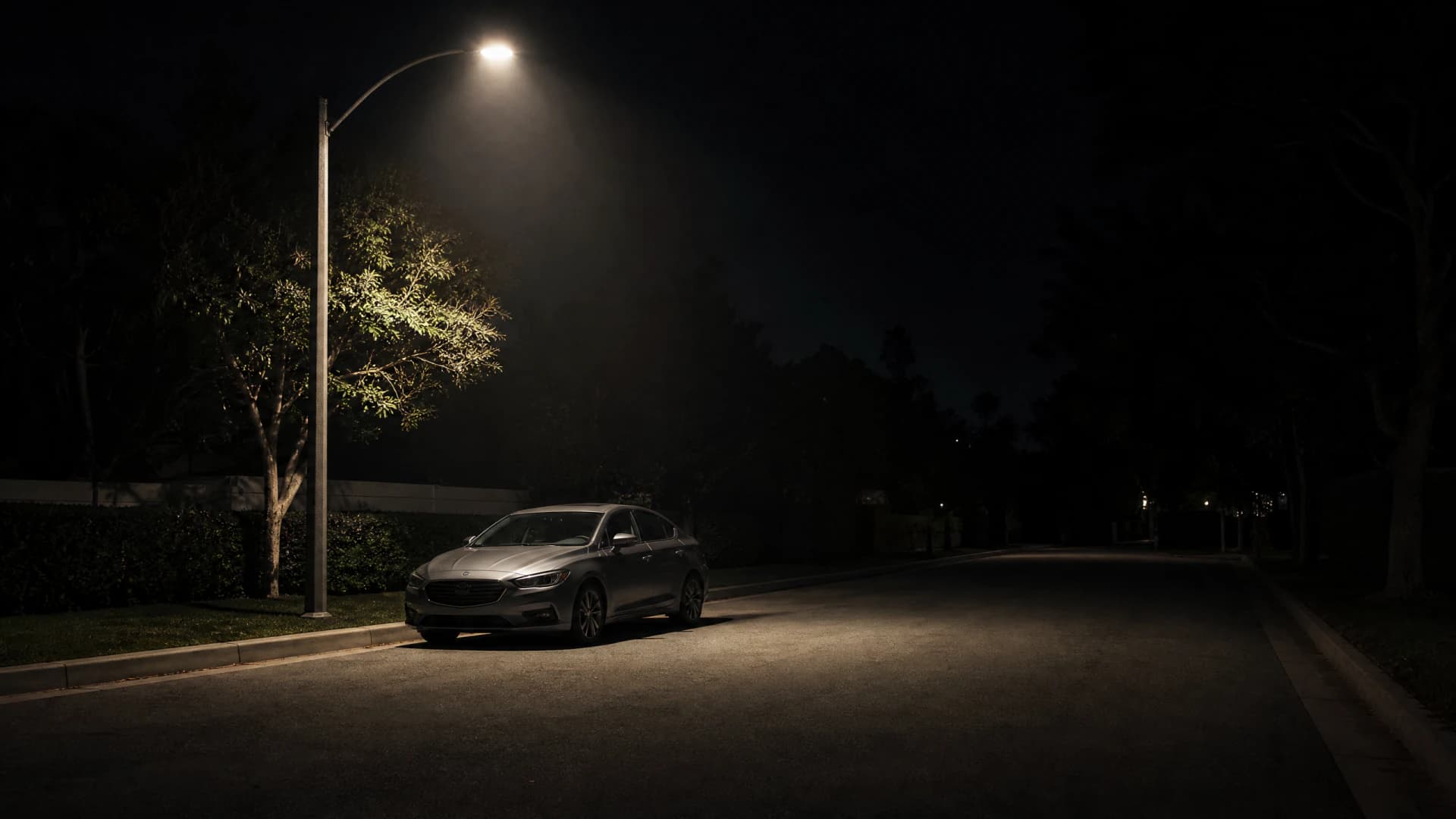
If you buy or regularly drive a specific vehicle during the three-year filing period, you must convert to a standard auto policy naming that vehicle. Non-owner SR-22 does not cover vehicles you own or have regular access to.


Non-Owner SR-22 and Route Restricted License Eligibility
South Carolina offers a Route Restricted License during your suspension period, allowing limited driving to work, school, medical appointments, and court-ordered obligations. Eligibility requires completing a 30-day hard suspension first—no driving at all for the first 30 days after your DUI conviction. After that window, you can apply to SCDMV for the restricted license.
You must have active SR-22 coverage before SCDMV will issue the Route Restricted License. Non-owner SR-22 satisfies this requirement. You do not need to own a vehicle to qualify for the restricted license—SCDMV cares only that you maintain continuous liability coverage meeting the SR-22 mandate. The restricted license allows you to drive a vehicle you have legal access to, even if you don't own it, as long as that vehicle is insured by its owner and you're driving within your approved route and time restrictions.
Emma's Law requires ignition interlock device installation for all South Carolina DUI offenders as a condition of restricted driving privileges, including first offenses. The IID requirement applies even if you're driving a borrowed vehicle under a Route Restricted License. This means the vehicle you intend to drive must have an IID installed and you must provide proof of installation to SCDMV when you apply for the restricted license. IID installation costs approximately $70 to $150, with monthly monitoring fees of $60 to $90. Non-owner SR-22 does not cover IID costs—that's a separate expense tied to the restricted license itself.
$100
SC License Reinstatement Fee
South Carolina charges a $100 reinstatement fee once your suspension period ends and all conditions are met: ADSAP completion, SR-22 filing active, and any court-ordered requirements satisfied. If you have multiple suspensions stacked, SCDMV assesses a separate $100 fee per suspension.
SCDMV reinstatement fee schedule
What Happens When Your Suspension Period Ends
Your DUI suspension in South Carolina ends after the court-imposed period expires—typically six months for a first offense. Ending the suspension does not end the SR-22 filing requirement. You must maintain continuous SR-22 coverage for three full years from the conviction date. That means even after SCDMV reinstates your license, you're still required to carry SR-22-certified insurance.
Once your license is fully reinstated and you resume regular driving, evaluate whether non-owner SR-22 still fits your situation. If you purchase a vehicle or begin driving one regularly, you must switch to a standard auto policy naming that vehicle. The SR-22 filing transfers to the new policy—your carrier simply files an updated SR-22 with SCDMV reflecting the vehicle coverage. If you continue not owning a vehicle and borrow cars occasionally, non-owner SR-22 remains the correct product for the remainder of your three-year filing period.
Compare Non-Owner SR-22 Rates Now
Carriers writing non-owner SR-22 in South Carolina include Geico, Progressive, Dairyland, GAINSCO, and The General. Rates between these carriers vary by $120 to $240 annually for identical coverage. Request quotes from at least three carriers, specify your DUI conviction date and county, and confirm the carrier files SR-22 electronically with SCDMV. Bind coverage as soon as you select a carrier—SCDMV will not process your reinstatement or restricted license application until the SR-22 filing appears in their system, and electronic filing typically takes 24 to 48 hours from the moment you pay your first premium.
How to Obtain Non-Owner SR-22 in South Carolina
Start by contacting carriers who write non-owner SR-22 policies in South Carolina. Request a quote for non-owner liability coverage at South Carolina's minimum limits: $25,000 bodily injury per person, $50,000 per accident, $25,000 property damage. Specify that you need SR-22 filing. Most carriers can bind coverage and file the SR-22 electronically with SCDMV within 24–48 hours. You will receive proof of filing—keep this documentation because SCDMV processing delays sometimes occur even when the carrier has filed correctly.
Premium costs for non-owner SR-22 in South Carolina after a DUI typically range from $25 to $45 per month, significantly lower than insuring a vehicle you own. The SR-22 filing fee itself is typically $15 to $25, paid once at policy inception. Your rate depends on how long ago the DUI occurred, your age, and your county. Quotes vary by $10 to $20 per month between carriers for identical coverage, so comparison shopping directly impacts your three-year total cost.
Get Your Free Quote
Get My South Carolina DUI Insurance QuoteFrequently Asked Questions
Can I get non-owner SR-22 if I've never owned a car?
Yes. Non-owner SR-22 exists specifically for drivers who don't own vehicles. South Carolina's SR-22 requirement applies regardless of vehicle ownership—the state mandates continuous liability coverage, not vehicle insurance. Carriers quote non-owner policies based on your driving record and zip code without requiring a VIN.
Does non-owner SR-22 cover rental cars in South Carolina?
Non-owner SR-22 provides liability coverage when you drive a rental car, covering injuries and property damage you cause to others. It does not cover damage to the rental vehicle itself—rental companies offer collision damage waivers for that. Your non-owner policy satisfies South Carolina's liability minimums for rental driving during your SR-22 filing period.
What happens if my non-owner SR-22 policy lapses?
SCDMV receives electronic notification within 24 hours of a lapse and immediately suspends your license. The three-year SR-22 filing period resets from your reinstatement date, not your original conviction date. A lapse adds months to your total filing burden and requires paying the $100 reinstatement fee again once you obtain new coverage.
How much does non-owner SR-22 cost in South Carolina after a DUI?
Non-owner SR-22 premiums in South Carolina after a DUI typically range from $25 to $45 per month, approximately $300 to $540 annually. The SR-22 filing fee itself is $15 to $25 paid once. Rates vary by carrier, your age, county, and how recently the DUI occurred. Estimates based on available industry data; individual rates vary.
Can I drive any car with a non-owner SR-22 policy?
Non-owner SR-22 covers you when driving vehicles you don't own and don't have regular access to—borrowed cars, occasional use of a friend's vehicle, rentals. It does not cover vehicles you own, vehicles registered in your name, or vehicles you drive regularly. If you buy a car or begin driving a household vehicle daily, you must switch to a standard auto policy naming that vehicle.
Do I need non-owner SR-22 during my hard suspension period?
You cannot drive during South Carolina's 30-day hard suspension following a DUI conviction, but you can obtain non-owner SR-22 coverage during that period. Binding coverage early ensures the SR-22 filing is already on record with SCDMV when you become eligible to apply for a Route Restricted License after the 30-day window ends.