
SR-22 Insurance Cost for Second DUI — South Carolina
Free to compare
Second DUI Penalties Stack Higher Than Most Drivers Expect
You just received your second DUI conviction in South Carolina. The court paperwork shows a 2-year license suspension, mandatory ADSAP completion, ignition interlock device installation, and a requirement to file SR-22 insurance for 3 years. The timeline is confusing because the SR-22 filing period does not start until after you reinstate your license — meaning you face 2 years suspended, then 3 additional years of SR-22 filing once you get your license back.
Most drivers calculate the SR-22 timeline wrong. They assume the 3-year filing period runs concurrently with the 2-year suspension, putting them 3 years from today. South Carolina does not work that way. The SR-22 clock starts the day SCDMV reinstates your license, not the day of conviction or suspension. If you wait the full 2 years to reinstate, your SR-22 obligation runs until 5 years from today.
“The SR-22 clock starts when your license is reinstated, not when you're convicted — most drivers calculate the timeline wrong and pay for coverage they don't yet need.”

Find South Carolina Coverage After a DUI
Get My South Carolina DUI Insurance Quote2 years
SC Second DUI Suspension
South Carolina suspends your license for a minimum of 2 years on a second DUI conviction within 10 years of the first. The suspension is a hard period with no Route Restricted License available during the first 60 days for second offenses.
SC Code § 56-5-2941
SR-22 Filing Starts After Reinstatement, Not During Suspension
The 3-year SR-22 filing requirement does not begin until SCDMV reinstates your driving privilege. During the 2-year suspension, you can carry SR-22 coverage through a non-owner policy to satisfy the state's future reinstatement condition, but the 3-year clock does not tick down while you are suspended. The filing period measures 3 years of active driving privilege, not 3 years from conviction.
This matters for budgeting. If you maintain non-owner SR-22 coverage during suspension to prepare for reinstatement, you pay premiums during the suspension period and then start the mandatory 3-year SR-22 countdown after reinstatement. If you wait until reinstatement to obtain SR-22 coverage, you start the 3-year clock on reinstatement day but face a coverage gap that delays reinstatement processing.
The Route Restricted License option allows limited driving after 60 days on a second offense if you install an ignition interlock device and file SR-22. The restricted license counts as reinstated driving privilege, so the 3-year SR-22 clock starts when the Route Restricted License is issued, not when you convert to a full unrestricted license later.

The 3-year SR-22 filing period starts the day your Route Restricted License or full license is reinstated — not the day of conviction. Carriers often quote coverage before you clarify this timeline, leading to price confusion.


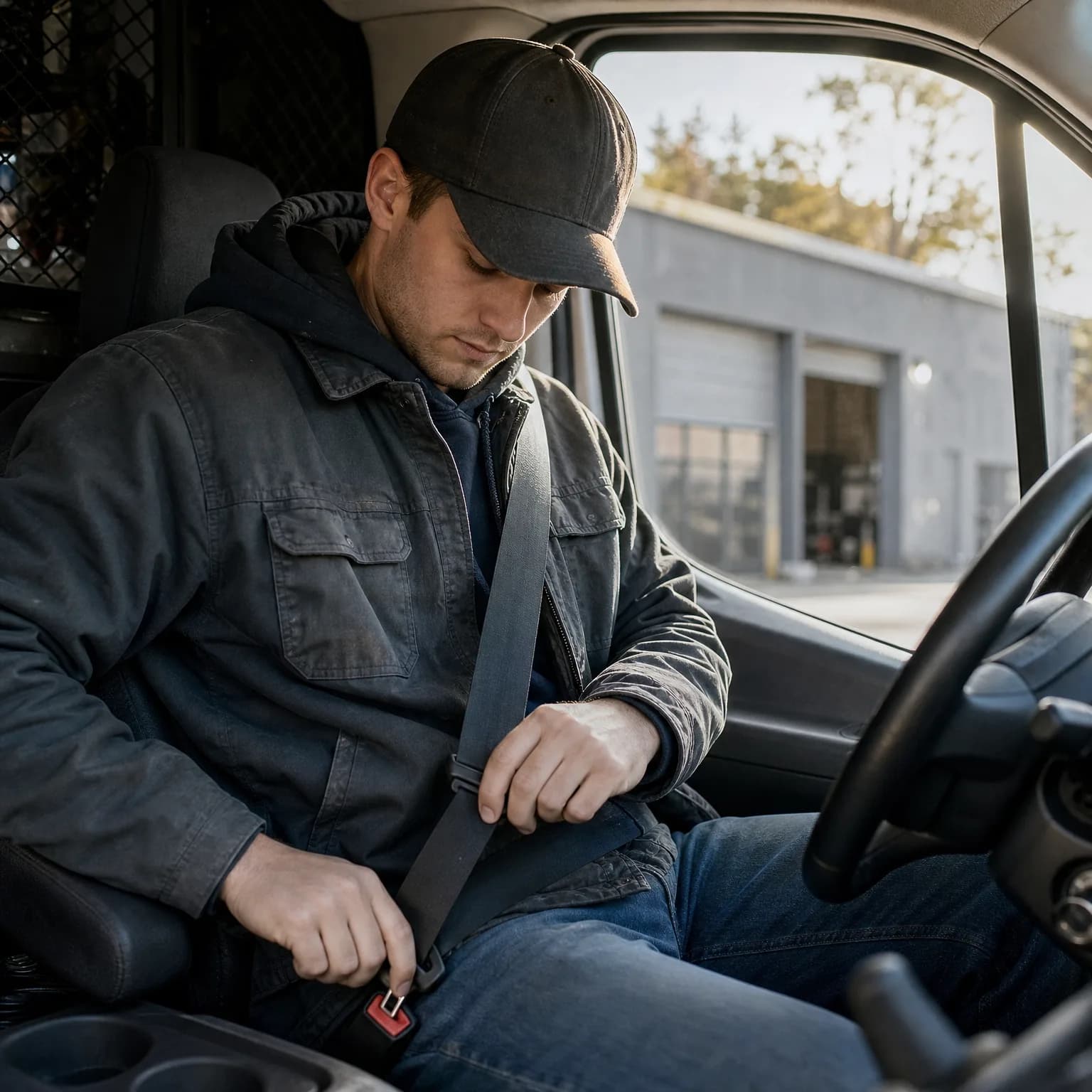




Ignition Interlock Adds $70–$150 Monthly on Top of SR-22 Premiums
South Carolina's Emma's Law mandates ignition interlock device installation for second DUI offenders as a condition of any restricted driving privilege. The IID requirement runs separately from the SR-22 filing obligation. Installation costs $75–$150, and monthly monitoring and calibration fees run $70–$100. Over a 2-year ignition interlock period (the minimum for second offenses), total IID costs reach $1,800–$2,500.
The ignition interlock period and the SR-22 filing period do not align. IID is required during the Route Restricted License phase and often for 2 years after full reinstatement depending on court order. SR-22 filing is required for 3 years after reinstatement. Drivers often pay for both simultaneously: $150–$270/month for SR-22 insurance plus $70–$100/month for ignition interlock monitoring. The combined monthly cost can exceed $350 for drivers maintaining a Route Restricted License.
Some carriers impose ignition interlock surcharges on top of DUI-rated premiums, treating the device requirement as an additional underwriting factor. Ask carriers explicitly whether their quoted rate includes or excludes ignition interlock surcharge — not all quote systems account for it automatically.
$1,800–$3,200/year
SC Second-DUI SR-22 Premium Range
Liability-only SR-22 coverage for second-DUI drivers in South Carolina typically costs $150–$270/month. Non-owner policies run slightly lower; full coverage with collision and comprehensive pushes the upper range past $400/month in metro counties. Estimates based on available industry data; individual rates vary by driving history, vehicle, coverage selections, and location.

Reinstatement Requires ADSAP Completion Before SR-22 Filing Counts
SCDMV will not reinstate your license until you complete South Carolina's Alcohol and Drug Safety Action Program. ADSAP is a state-mandated education and assessment program required for all DUI offenders. Second-offense ADSAP tracks are longer and more intensive than first-offense programs, typically requiring 20–36 hours of classroom attendance plus possible substance abuse treatment referrals. ADSAP completion certificates must be submitted to SCDMV before reinstatement processing begins.
You can obtain SR-22 insurance before completing ADSAP, but SCDMV will not accept the SR-22 filing for reinstatement purposes until ADSAP is complete, reinstatement fees are paid, and ignition interlock installation is verified. Carriers will issue the SR-22 certificate as soon as you purchase the policy, but the 3-year filing clock does not start until SCDMV processes reinstatement and issues your Route Restricted License or full license. Verify ADSAP completion status before shopping SR-22 policies to avoid paying for coverage you cannot yet use for reinstatement.
Compare Non-Standard Carriers to Find Second-DUI Rates You Can Sustain
Second-DUI SR-22 rates vary by $100/month or more between carriers writing the same driver profile. The General, Dairyland, GAINSCO, and Direct Auto specialize in high-risk drivers and often quote 20–40% below standard-tier carriers that reluctantly write second-offense cases. Bristol West and Progressive write second-DUI applicants in South Carolina but tier pricing varies significantly by county and vehicle type. Shop at least 3 non-standard carriers before committing to a policy — premium variation in this market is wide and persistent across the 3-year filing period.
Non-owner SR-22 policies make sense if you sold your vehicle during suspension or rely on borrowed or employer-owned vehicles. Non-owner coverage satisfies SCDMV's SR-22 filing requirement and typically costs $30–$80/month less than owner-operator policies because collision and comprehensive coverage are not included. If you reinstate with a Route Restricted License and later purchase a vehicle, you can convert the non-owner policy to an owner-operator policy mid-term without restarting the SR-22 filing clock.
What Second DUI SR-22 Insurance Actually Costs in South Carolina
Liability-only SR-22 coverage for a second-DUI driver in South Carolina typically runs $150–$270/month, or $1,800–$3,200/year. Rates vary by county, age, and whether you own a vehicle. Non-owner SR-22 policies (for drivers without a registered vehicle) run slightly lower, typically $120–$220/month, because the carrier prices collision and comprehensive risk out of the equation. Full coverage (liability plus collision and comprehensive) for a second-DUI driver with a financed vehicle can exceed $400/month in high-cost counties.
Carriers writing second-DUI SR-22 policies in South Carolina include The General, Progressive, Dairyland, GAINSCO, Geico, Bristol West, and Direct Auto. Preferred-tier carriers like State Farm and USAA write first-offense SR-22 cases selectively but often decline second-offense applicants outright. Non-standard carriers dominate this market and price aggressively because repeat-DUI drivers represent actuarial risk most standard carriers will not underwrite.
Get Your Free Quote
Get My South Carolina DUI Insurance QuoteFrequently Asked Questions
How much does SR-22 insurance cost for a second DUI in South Carolina?
Liability-only SR-22 coverage for a second DUI in South Carolina typically costs $150–$270/month, or $1,800–$3,200/year. Non-owner SR-22 policies run slightly lower at $120–$220/month. Rates vary by county, age, vehicle type, and carrier. The SR-22 filing fee itself is $25–$50 one-time; the expensive part is the insurance premium underneath the certificate.
Does the SR-22 filing period start during my suspension or after reinstatement?
The 3-year SR-22 filing period starts the day SCDMV reinstates your driving privilege, not the day of conviction or suspension. If you wait the full 2-year suspension period to reinstate, your SR-22 obligation runs until 5 years from conviction. If you obtain a Route Restricted License after 60 days with ignition interlock, the SR-22 clock starts when that restricted license is issued.
Can I get a Route Restricted License for a second DUI in South Carolina?
Yes, but not immediately. South Carolina imposes a mandatory 60-day hard suspension before you can apply for a Route Restricted License on a second DUI. After 60 days, you must install an ignition interlock device, file SR-22 insurance, complete ADSAP enrollment, and pay the $100 reinstatement fee to qualify for the restricted license. The restricted license limits driving to court-defined routes for work, school, medical appointments, and ADSAP classes.
Do I need SR-22 insurance during my suspension or only after reinstatement?
South Carolina requires SR-22 filing as a condition of reinstatement, not during suspension. You can obtain SR-22 coverage during suspension through a non-owner policy to prepare for reinstatement, but SCDMV does not require it until you apply to reinstate your license. The 3-year SR-22 filing period starts after reinstatement, so maintaining coverage during suspension does not count toward the 3-year obligation.
Which carriers in South Carolina write SR-22 insurance for second DUI offenders?
The General, Dairyland, GAINSCO, Direct Auto, Bristol West, and Progressive write second-DUI SR-22 policies in South Carolina. Geico writes select cases depending on county and other factors. Preferred-tier carriers like State Farm and USAA often decline second-offense applicants or quote rates 50–100% higher than non-standard specialists. Non-standard carriers dominate this market and typically offer the most competitive rates for repeat-DUI drivers.
How long do I have to maintain SR-22 insurance after a second DUI in South Carolina?
South Carolina requires 3 years of continuous SR-22 filing after reinstatement for a second DUI. The 3-year period starts the day your Route Restricted License or full license is issued, not the day of conviction. If your carrier cancels your policy or you let coverage lapse during the 3-year filing period, SCDMV suspends your license again and the SR-22 clock resets when you reinstate.