
Non-Owner DUI Insurance — South Carolina
Free to compare
Why You Need Insurance After a DUI Even Without a Car
The SCDMV suspended your license after a DUI conviction. You don't own a car right now — maybe you sold it, maybe it was impounded, maybe you never had one. But when you asked about getting a Route Restricted License or starting the reinstatement process, the DMV told you that you need SR-22 insurance on file before they'll consider your application. This makes no sense to most people: why does South Carolina require insurance when you have nothing to insure?
The answer is that South Carolina's SR-22 requirement isn't about insuring a specific vehicle. It's a compliance tool. The state uses SR-22 filings to monitor whether DUI offenders maintain continuous liability coverage for the full duration of their high-risk period — typically three years from the conviction date. Non-owner SR-22 policies exist specifically for this situation. They meet the state's filing mandate without requiring you to own or register a vehicle. This article walks through what non-owner DUI insurance costs in South Carolina, how the SR-22 filing works, and when you're actually required to carry it.
“Non-owner SR-22 policies cost half what standard auto insurance costs after a DUI, but you can't drive a car you own under one.”

Find South Carolina Coverage After a DUI
Get My South Carolina DUI Insurance Quote$40–$85/mo
SC Non-Owner SR-22 Premium
Non-owner policies in South Carolina typically cost $40 to $85 per month for DUI offenders, compared to $180 to $340 per month for standard auto policies with SR-22 filing. The lower cost reflects the limited coverage scope — non-owner policies provide liability coverage only when you drive a borrowed or rental vehicle, with no collision or comprehensive protection.
Industry estimates; individual rates vary by driving history and carrier
What Non-Owner SR-22 Insurance Actually Covers
Non-owner SR-22 insurance is a liability-only policy. It covers bodily injury and property damage you cause while driving someone else's car, a rental car, or any vehicle you don't own. South Carolina's minimum liability limits are $25,000 per person for bodily injury, $50,000 per accident for bodily injury, and $25,000 for property damage. Your non-owner policy must meet or exceed these minimums to satisfy the SR-22 filing requirement.
The policy does not cover damage to the vehicle you're driving. It does not cover your own injuries. It does not cover a car you own, lease, or register in your name. If you borrow a friend's car and cause an accident, your non-owner policy provides secondary coverage — the vehicle owner's insurance pays first, and your policy covers the gap if their limits are exhausted. This secondary structure keeps premiums low because the carrier's exposure is limited.
The SR-22 filing is a form your insurance carrier submits electronically to the SCDMV certifying that you have an active liability policy meeting state minimums. The filing stays on record for as long as the DMV requires monitoring — three years for most DUI convictions in South Carolina. If your policy lapses or cancels, the carrier notifies the DMV immediately and your license or hardship privilege is suspended again until you reinstate coverage and file a new SR-22.
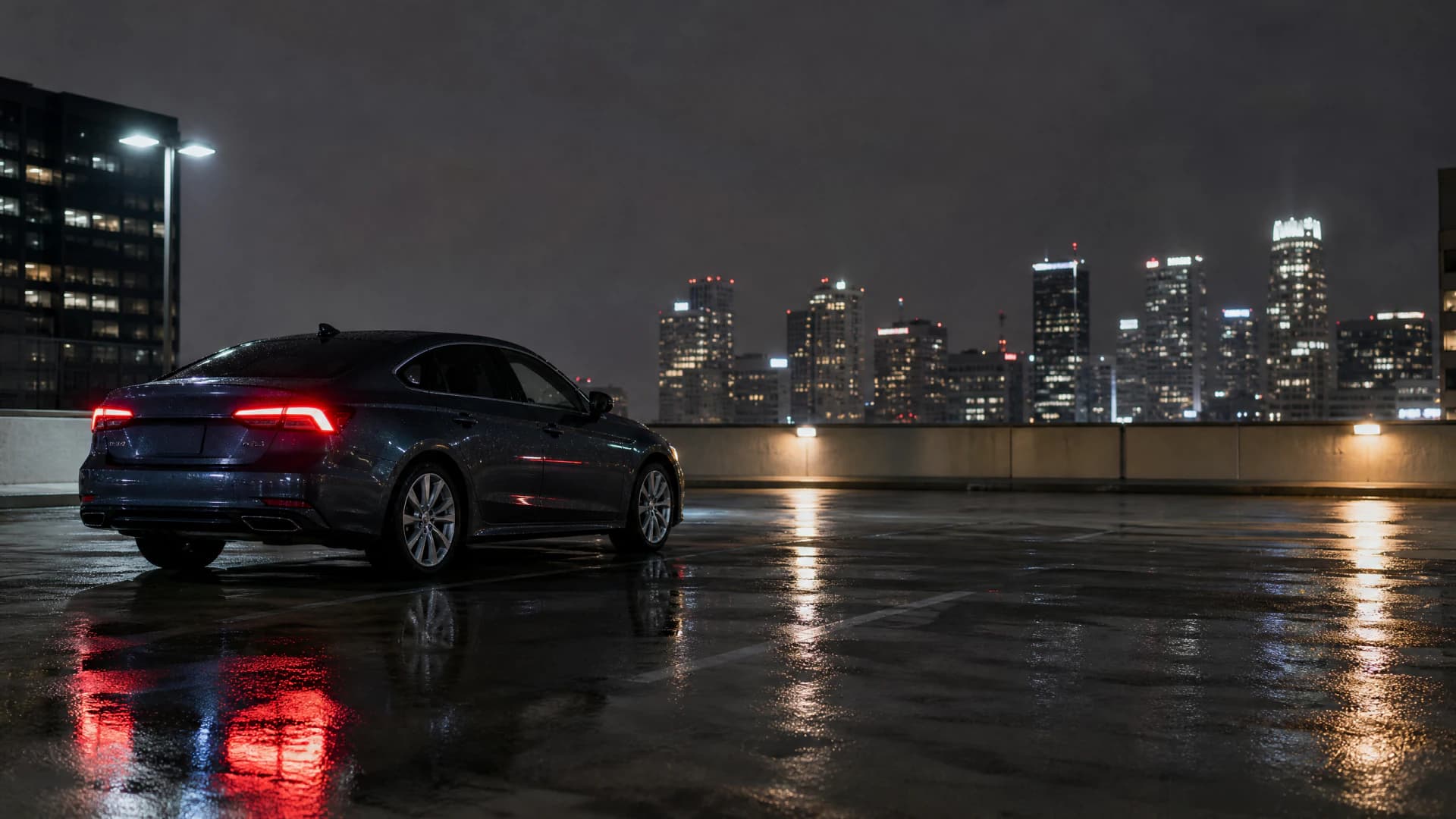
You cannot get a Route Restricted License in South Carolina after a DUI without an active SR-22 filing on record with the SCDMV first. The hardship application will be denied if the filing is missing.




How Non-Owner DUI Insurance Costs Compare to Standard Policies
Standard auto insurance with SR-22 filing after a DUI in South Carolina typically costs $180 to $340 per month. Non-owner SR-22 policies cost $40 to $85 per month for the same driver. The difference is structural: standard policies insure a specific vehicle with collision and comprehensive coverage, while non-owner policies provide liability-only coverage with no vehicle tied to the policy. Carriers price non-owner policies based on your driving record and the state's minimum liability limits, but the absence of physical damage coverage cuts the premium by more than half.
If you don't own a car right now but plan to buy one within the next year, you'll need to switch from a non-owner policy to a standard policy as soon as you register the vehicle. The SR-22 filing transfers to the new policy without interruption as long as the same carrier writes both policies. If you switch carriers, the new carrier must file a new SR-22 and the old carrier will file an SR-26 cancellation notice with the DMV. Any gap between the cancellation and the new filing triggers an automatic suspension, so coordinate the switch carefully.
Some South Carolina drivers try to avoid the cost by listing themselves on a family member's policy instead of buying their own non-owner coverage. This works only if you're listed as a rated driver on that policy and the policy includes SR-22 filing in your name. Most carriers will not add an SR-22 endorsement for a driver who doesn't own the insured vehicle, so this workaround fails in practice. Non-owner policies are the only reliable path for drivers without a registered vehicle.
3 years
SC SR-22 Filing Period
South Carolina requires SR-22 filing for three years following a DUI conviction, measured from the conviction date. If your policy lapses at any point during the three-year period, the clock resets and you must maintain continuous coverage for another three years from the date you reinstate. Missing even one day of coverage extends your high-risk period significantly.
SC Code § 56-5-2951
Which Carriers Write Non-Owner SR-22 in South Carolina
Not every carrier writes non-owner policies, and fewer still write non-owner SR-22 for DUI offenders. In South Carolina, the carriers most likely to quote non-owner SR-22 coverage include Progressive, Geico, Dairyland, The General, Bristol West, Direct Auto, and GAINSCO. State Farm writes SR-22 in South Carolina but does not consistently offer non-owner policies in all counties, so availability varies. Allstate, Farmers, and Liberty Mutual rarely write non-owner SR-22 for DUI offenders in South Carolina as of current underwriting practice.
Rates vary by carrier even for the same coverage. Dairyland and The General specialize in high-risk drivers and often quote lower premiums than standard carriers like Progressive or Geico, but service quality and claims handling differ. Request quotes from at least three carriers before committing. The cheapest premium does not always produce the lowest total cost if the carrier files the SR-22 late or cancels your policy without warning.
Next Steps: Getting Non-Owner SR-22 Coverage in Place
Start by requesting quotes from carriers writing non-owner SR-22 in South Carolina. Most carriers offer online quotes, but some require a phone call for non-owner policies because the application process differs from standard auto. When you request the quote, specify that you need SR-22 filing and confirm that the carrier will file electronically with the SCDMV within 24 hours of binding the policy. Some carriers delay SR-22 filing by several business days, which extends the timeline before you can apply for a Route Restricted License or submit your reinstatement paperwork.
Once you bind the policy, the carrier files the SR-22 electronically and the SCDMV updates your record within one to two business days. You can verify SR-22 status by checking your SCDMV online account or calling the DMV reinstatement unit directly. Do not apply for a Route Restricted License or pay your reinstatement fee until the SR-22 appears on your DMV record — applications submitted without proof of SR-22 on file are denied and the fee is not refunded. Compare carrier quotes and SR-22 filing timelines using the tool below to find coverage that meets South Carolina's requirements at the lowest monthly cost.
When South Carolina Requires SR-22 for DUI
South Carolina treats implied consent suspensions and criminal DUI convictions as separate proceedings. If you refused the breathalyzer, the SCDMV suspended your license administratively under implied consent laws for six months on a first offense. If you were convicted of DUI in court, the judge imposed a separate suspension — 30 days to six months depending on BAC and prior offenses. Both suspensions require SR-22 filing to reinstate or to obtain a Route Restricted License during the suspension period. The two suspensions can run concurrently, but both must be independently resolved with separate SR-22 filings on record.
Emma's Law in South Carolina also mandates ignition interlock devices for all DUI offenders as a condition of any restricted driving privilege, including first offenses. You will need to install an IID before the SCDMV issues a Route Restricted License, even if you're driving a borrowed vehicle under a non-owner policy. The IID requirement is separate from the SR-22 requirement — you need both. Your non-owner SR-22 policy does not cover the cost of IID installation or monthly monitoring fees, which typically run $70 to $150 per month in South Carolina on top of your insurance premium.
Get Your Free Quote
Get My South Carolina DUI Insurance QuoteFrequently Asked Questions
Do I need non-owner insurance if I don't drive?
Yes, if South Carolina suspended your license for DUI and requires SR-22 filing for reinstatement or hardship eligibility. The SR-22 mandate applies whether or not you currently drive. Non-owner policies meet the filing requirement without requiring you to own a vehicle.
How much does non-owner SR-22 insurance cost in South Carolina?
Non-owner SR-22 policies in South Carolina typically cost $40 to $85 per month for DUI offenders. Standard auto policies with SR-22 filing cost $180 to $340 per month for comparison. Rates depend on your driving record and the carrier.
Can I get a Route Restricted License without SR-22 in South Carolina?
No. South Carolina requires an active SR-22 filing on record with the SCDMV before issuing a Route Restricted License to DUI offenders. The hardship application will be denied if the SR-22 is missing, even if you don't own a car.
What happens if my non-owner SR-22 policy lapses?
The carrier notifies the SCDMV immediately and your license or hardship privilege is suspended again until you reinstate coverage and file a new SR-22. Any lapse resets the three-year SR-22 filing period in South Carolina, extending your high-risk monitoring window.
Which carriers write non-owner SR-22 in South Carolina?
Progressive, Geico, Dairyland, The General, Bristol West, Direct Auto, and GAINSCO write non-owner SR-22 policies in South Carolina. State Farm availability varies by county. Allstate, Farmers, and Liberty Mutual rarely offer non-owner SR-22 for DUI offenders.
Can I switch from non-owner to standard auto insurance without losing my SR-22?
Yes, if the same carrier writes both policies and files the SR-22 transfer without a gap. If you switch carriers, the new carrier must file a new SR-22 before the old policy cancels. Any gap triggers automatic suspension in South Carolina.