
SR-22 Filing After Second DUI — South Carolina
Free to compare
The Three-Part Reinstatement Reality
You received your second DUI conviction in South Carolina, paid the court fines, and now you're trying to figure out what the DMV actually needs to restore your license. The suspension notice mentions SR-22 filing, but when you call SCDMV they tell you about ADSAP completion and ignition interlock requirements that weren't in the court paperwork. You thought one reinstatement fee would handle everything — instead you're looking at three separate state programs with three separate fees and three non-overlapping timelines.
South Carolina structures second-DUI reinstatement as three independent requirements administered by different state agencies. SCDMV handles the license suspension and reinstatement fee. The South Carolina Department of Alcohol and Other Drug Abuse Services administers ADSAP (Alcohol and Drug Safety Action Program). Your ignition interlock device gets installed and monitored by a private vendor approved by SCDMV. Each program has its own completion timeline, and none of them automatically communicate with the others — you coordinate all three or your reinstatement stalls at whichever piece you complete last.
“Your license suspension ends after 2 years but your SR-22 filing obligation lasts 3 years — these periods run concurrently but end at different times, and if the policy lapses at any point during those 3 years, SCDMV restarts the SR-22 clock from zero.”

Find South Carolina Coverage After a DUI
Get My South Carolina DUI Insurance Quote2 years minimum
SC Second DUI Suspension Period
South Carolina imposes a minimum 2-year license suspension for a second DUI conviction within 10 years of the first, measured from conviction date to conviction date. The suspension clock starts when the court enters your conviction, not when you're arrested or when DMV processes the paperwork.
SC Code § 56-5-2941
Why the SR-22 Period Doesn't Match the Suspension Period
Your license suspension ends after 2 years. Your SR-22 filing obligation lasts 3 years. These periods run concurrently but end at different times, creating a structural gap most drivers don't anticipate. The SR-22 filing must remain active for the full 3-year period even after your driving privileges are restored, and if the policy lapses at any point during those 3 years, SCDMV re-suspends your license and restarts the SR-22 clock from zero.
South Carolina requires SR-22 certification as proof that you're carrying at least the state minimum liability coverage: $25,000 bodily injury per person, $50,000 bodily injury per accident, and $25,000 property damage. Your insurance carrier files the SR-22 certificate electronically with SCDMV when you purchase a policy. The filing itself costs nothing — carriers don't charge a separate SR-22 fee — but your premium will reflect high-risk underwriting. Expect $140–$220/month for liability-only coverage from non-standard carriers writing second-DUI business in South Carolina.
The structural problem: you cannot apply for reinstatement without proof of SR-22 filing already on file with SCDMV, but the 3-year SR-22 obligation doesn't start counting down until SCDMV receives the filing. If you wait until your 2-year suspension ends to get SR-22 coverage, you add 3 more years of filing obligation on top. Most drivers save a year by securing SR-22 coverage early in the suspension period — the 3-year clock starts immediately even though you can't legally drive yet.

The $100 SCDMV reinstatement fee is just the license restoration fee — it does not cover ADSAP enrollment ($450–$600) or ignition interlock installation and monthly monitoring fees ($75–$150/month).




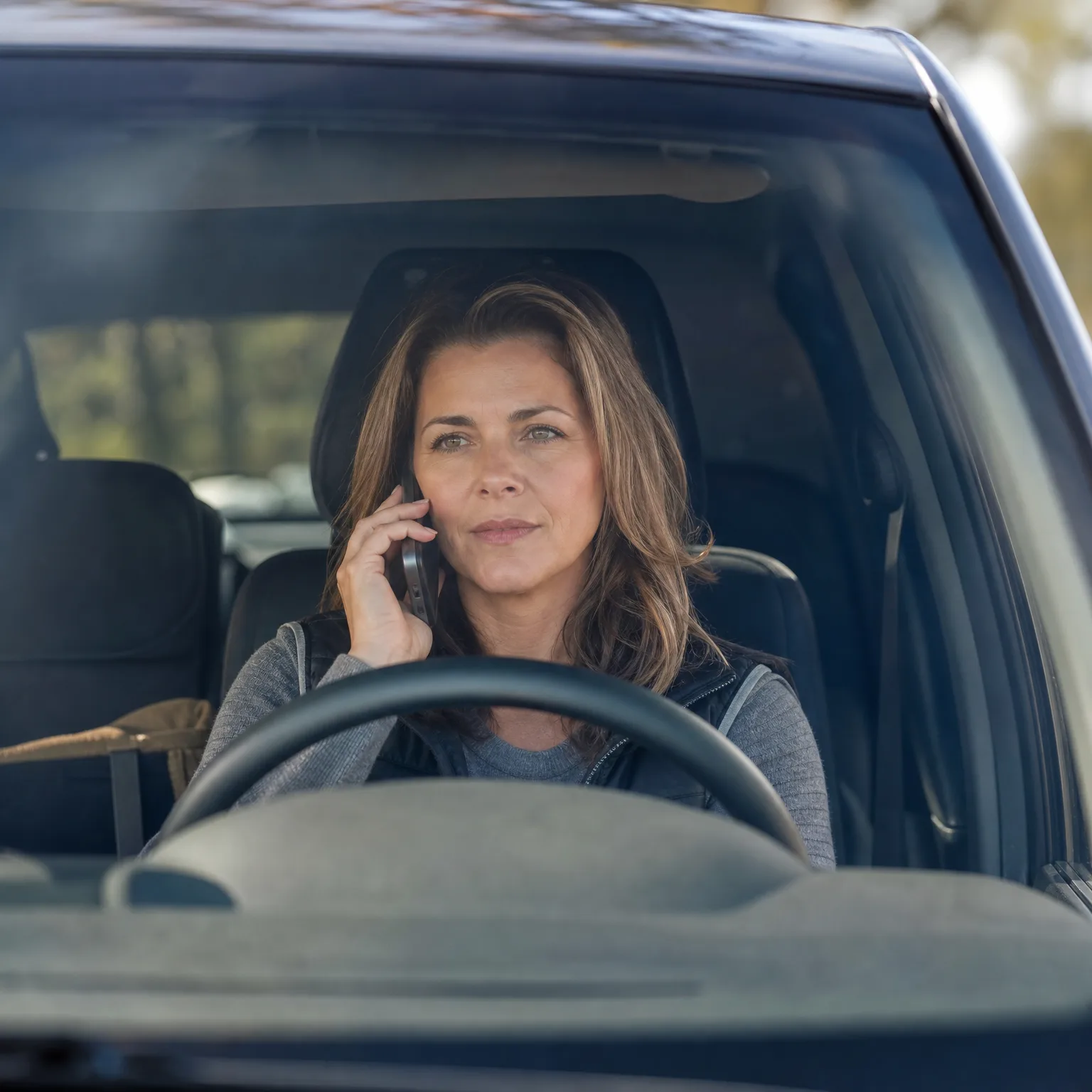


Ignition Interlock Device Installation and Monitoring
South Carolina's Emma's Law requires all second-DUI offenders to install an ignition interlock device (IID) on any vehicle they own or regularly operate before reinstatement. The IID prevents the vehicle from starting if it detects alcohol on your breath above a preset threshold. You must keep the device installed for a minimum of 2 years after reinstatement, with monthly monitoring reports transmitted directly to SCDMV.
IID installation costs $75–$150, and monthly monitoring fees run $75–$100. You pay these fees directly to the IID vendor — SCDMV maintains a list of approved vendors, but you choose which one to use. The vendor installs the device, calibrates it monthly, and submits compliance reports to SCDMV. Any failed breath test or tampering attempt gets flagged in the monthly report and can extend your IID requirement or trigger a new suspension.
The IID requirement runs parallel to your SR-22 obligation but operates on a different timeline. Your SR-22 filing must remain active for 3 years from the date SCDMV receives it. Your IID installation must remain active for 2 years from the date of reinstatement. If you secure SR-22 coverage a year before your suspension ends, your SR-22 obligation will outlast your IID requirement by 2 years. Both must be maintained for their full respective periods — letting either lapse triggers immediate re-suspension.
SCDMV will not issue a Route Restricted License (South Carolina's hardship license) during your second-DUI suspension unless the IID is already installed on your vehicle and the vendor has submitted the first compliance report. This means you must pay installation and at least one month of monitoring fees before you're eligible for any restricted driving privilege, even during the suspension period.
3 years
SC SR-22 Filing Duration After DUI
South Carolina requires 3 years of continuous SR-22 filing for DUI-related suspensions, measured from the date SCDMV receives the first SR-22 certificate from your insurance carrier. A single day of coverage lapse during those 3 years restarts the entire 3-year period from zero.
SCDMV reinstatement requirements, scdmvonline.com

The Reinstatement Sequence That Actually Works
Most drivers assume reinstatement happens in one step at the end of the suspension period. The structural reality: you complete three programs in sequence, pay four separate fees, and coordinate two state agencies plus one private vendor. Miss the sequence and you add months to your timeline. Here's the order that avoids delays: enroll in ADSAP as soon as your conviction is final, even if your suspension period hasn't started yet. Secure SR-22 coverage from a non-standard carrier writing second-DUI business in South Carolina as soon as ADSAP enrollment is confirmed — the 3-year SR-22 clock starts immediately and counts down during your suspension. Choose and schedule your IID vendor at least 30 days before your suspension end date so installation happens the week your eligibility window opens.
When your suspension period ends and ADSAP completion certificate is in SCDMV's system, you pay the $100 reinstatement fee, submit proof that your IID is installed and reporting, and SCDMV issues a provisional license valid only for vehicles equipped with the IID. Your SR-22 filing must remain active for another year after your IID requirement ends. If you're financing a vehicle during this period, most lenders require comprehensive and collision coverage in addition to the state-minimum liability — expect total premiums of $240–$350/month for full coverage with SR-22 filing and second-DUI underwriting.
Finding SR-22 Coverage as a Second-DUI Driver
Standard carriers do not write second-DUI business in South Carolina. You'll need a non-standard carrier specializing in high-risk drivers. Geico, Progressive, State Farm, and The General all file SR-22 certificates electronically with SCDMV and write policies for second-DUI cases, though underwriting approval and premium rates vary significantly by carrier. Dairyland, GAINSCO, and Bristol West also write second-DUI SR-22 policies in South Carolina and often return lower quotes than the national brands for drivers with two alcohol-related convictions.
Get quotes from at least three carriers before committing. Premium differences of $60–$100/month are common for identical coverage limits, and the cheapest carrier at reinstatement may not stay cheapest when your SR-22 period ends and you move back to standard underwriting. Some carriers offer discounts for completing defensive driving courses or bundling multiple policies — ask specifically about DUI-mitigation discounts when requesting quotes. Compare monthly premiums, not 6-month totals, because you need continuous coverage for 3 years and any lapse restarts the SR-22 clock. Tools that compare SR-22 carriers by monthly premium and SCDMV filing speed help you avoid the brands that delay electronic filing by 7–10 business days.
ADSAP Completion Before Reinstatement
You cannot apply for license reinstatement until ADSAP issues a completion certificate to SCDMV. The program includes assessment, group education sessions, individual counseling, and random drug/alcohol testing throughout the enrollment period. Missing more than two sessions typically triggers re-enrollment from the beginning, which delays your reinstatement timeline by another 12–16 weeks. ADSAP providers are county-based — you must enroll in the county where you were convicted, not where you currently live if you've moved since conviction.
ADSAP enrollment costs $450–$600 depending on county, paid upfront before your first session. This fee is separate from the $100 SCDMV reinstatement fee and separate from your SR-22 insurance premiums. ADSAP does not accept payment plans in most counties, and financial hardship does not waive the requirement. If you cannot pay the enrollment fee, your reinstatement timeline does not begin — SCDMV will not process your reinstatement application without the ADSAP completion certificate in their system.
Get Your Free Quote
Get My South Carolina DUI Insurance QuoteFrequently Asked Questions
Do I need SR-22 insurance if my license is still suspended after a second DUI in South Carolina?
Yes. South Carolina requires continuous SR-22 filing for 3 years starting from your conviction date, regardless of whether your license is suspended or reinstated. You must maintain an active SR-22-backed insurance policy during the entire suspension period and for 1 year after reinstatement. If you let coverage lapse at any point during those 3 years, SCDMV restarts the 3-year SR-22 requirement from zero.
Can I get a hardship license in South Carolina after a second DUI?
South Carolina offers a Route Restricted License during your suspension period, but second-DUI cases require ignition interlock device installation on your vehicle before SCDMV will issue the restricted license. You must complete ADSAP enrollment, secure SR-22 insurance, and pay IID installation fees before applying. The Route Restricted License limits you to court-approved routes — typically work, school, medical appointments, and ADSAP sessions.
How much does SR-22 insurance cost after a second DUI in South Carolina?
Expect $140–$220/month for liability-only SR-22 coverage after a second DUI in South Carolina. Non-standard carriers writing second-DUI business quote significantly higher premiums than standard carriers due to the elevated risk profile. If you need comprehensive and collision coverage for a financed vehicle, total premiums typically run $240–$350/month. Rates vary by age, county, and driving history beyond the DUI convictions.
What happens if my SR-22 insurance lapses during the 3-year filing period?
Your insurance carrier notifies SCDMV electronically within 24 hours of cancellation or non-renewal. SCDMV immediately suspends your license and restarts the 3-year SR-22 filing requirement from zero, meaning you'll owe 3 full years of continuous filing starting from the date you secure new coverage. You'll also pay another $100 reinstatement fee to restore your license after the lapse.
Do I need to complete ADSAP before I can get SR-22 insurance?
No. You can secure SR-22 insurance at any point after your conviction — many drivers obtain coverage early in their suspension period to start the 3-year SR-22 clock sooner. However, SCDMV will not reinstate your license until ADSAP issues a completion certificate, so while SR-22 filing can happen independently, reinstatement requires both ADSAP completion and active SR-22 coverage on file.
Can I use non-owner SR-22 insurance if I don't own a vehicle after my second DUI?
Yes, if you don't own a vehicle and don't plan to drive one you own during the suspension period. Non-owner SR-22 policies satisfy South Carolina's filing requirement and cost $50–$90/month, significantly less than standard SR-22 policies. However, if SCDMV requires ignition interlock device installation for your second DUI, you'll need access to a vehicle with an IID installed before you can apply for reinstatement or a Route Restricted License.
How long does it take to reinstate my license after completing ADSAP and getting SR-22 insurance?
SCDMV processes reinstatement applications within 5–10 business days once all requirements are met: your 2-year suspension period has ended, ADSAP completion certificate is in their system, SR-22 filing is active, ignition interlock device is installed and reporting, and you've paid the $100 reinstatement fee. Delays occur when one of these pieces is missing — verify all documentation is in SCDMV's system before submitting your reinstatement application.