
Minimum Coverage After DUI — South Carolina
Free to compare
The Full Coverage Assumption
You call your old carrier for a post-suspension quote and they quote you $380/month for full coverage with collision and comprehensive. You're already paying an SR-22 filing fee and a $100 SCDMV reinstatement fee, and now you're wondering if South Carolina actually requires you to carry physical damage coverage after a DUI, or if that's just what the agent assumes you need.
The structural reality: South Carolina does not require collision or comprehensive coverage to reinstate your license after a DUI suspension. SCDMV requires proof of liability insurance via SR-22 filing — bodily injury and property damage minimums only. Full coverage is a separate decision driven by your lender, not the state.
“South Carolina does not review collision coverage when clearing your reinstatement hold — the SR-22 is a liability certification only.”

Find South Carolina Coverage After a DUI
Get My South Carolina DUI Insurance Quote$25,000 / $50,000 / $25,000
SC Minimum Liability Limits
South Carolina Code § 56-10-20 sets the floor: $25,000 bodily injury per person, $50,000 per accident, $25,000 property damage. These are the only liability limits SCDMV reviews when processing your SR-22 reinstatement paperwork after a DUI suspension.
SC Code of Laws Title 56, Chapter 10
What South Carolina Actually Requires
Your SR-22 filing certifies that you carry at least South Carolina's statutory minimums: $25,000 bodily injury per person, $50,000 bodily injury per accident, $25,000 property damage. SCDMV does not review collision coverage, comprehensive coverage, or any physical damage component when clearing your reinstatement hold. The SR-22 is a liability certification only.
Uninsured motorist coverage is also required in South Carolina, but the UM requirement applies to all drivers, not just DUI filers. Most carriers bundle UM into the base liability quote automatically. The point: collision and comprehensive are optional under state law. If your vehicle is financed, your lender might require them under the loan agreement, but that's a contract obligation, not a DMV reinstatement condition.
South Carolina's 3-year SR-22 filing period starts from your conviction date. You must maintain continuous liability coverage for the full 36 months without a lapse. A single day of lapse triggers SCDMV notification, suspension of your driving privilege, and a restart of the 3-year clock. The coverage you maintain must meet or exceed state minimums, but nothing in SC Code § 56-5-2951 or § 56-10-230 mandates physical damage coverage for DUI reinstatement.
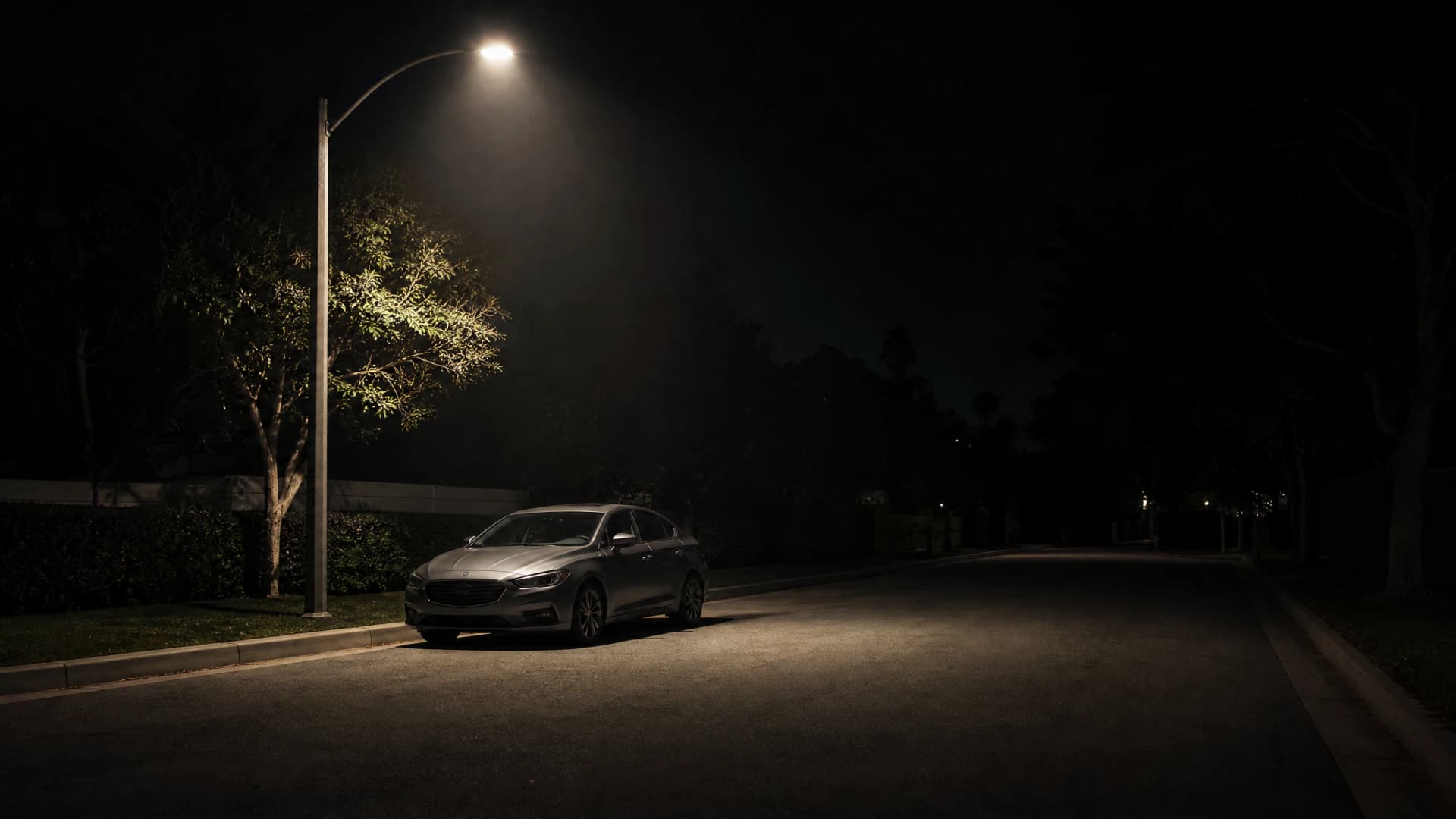
Your lender controls physical damage coverage requirements, not SCDMV. If you own your vehicle outright, liability-only satisfies the state.
Related Articles



When Full Coverage Is Not Optional
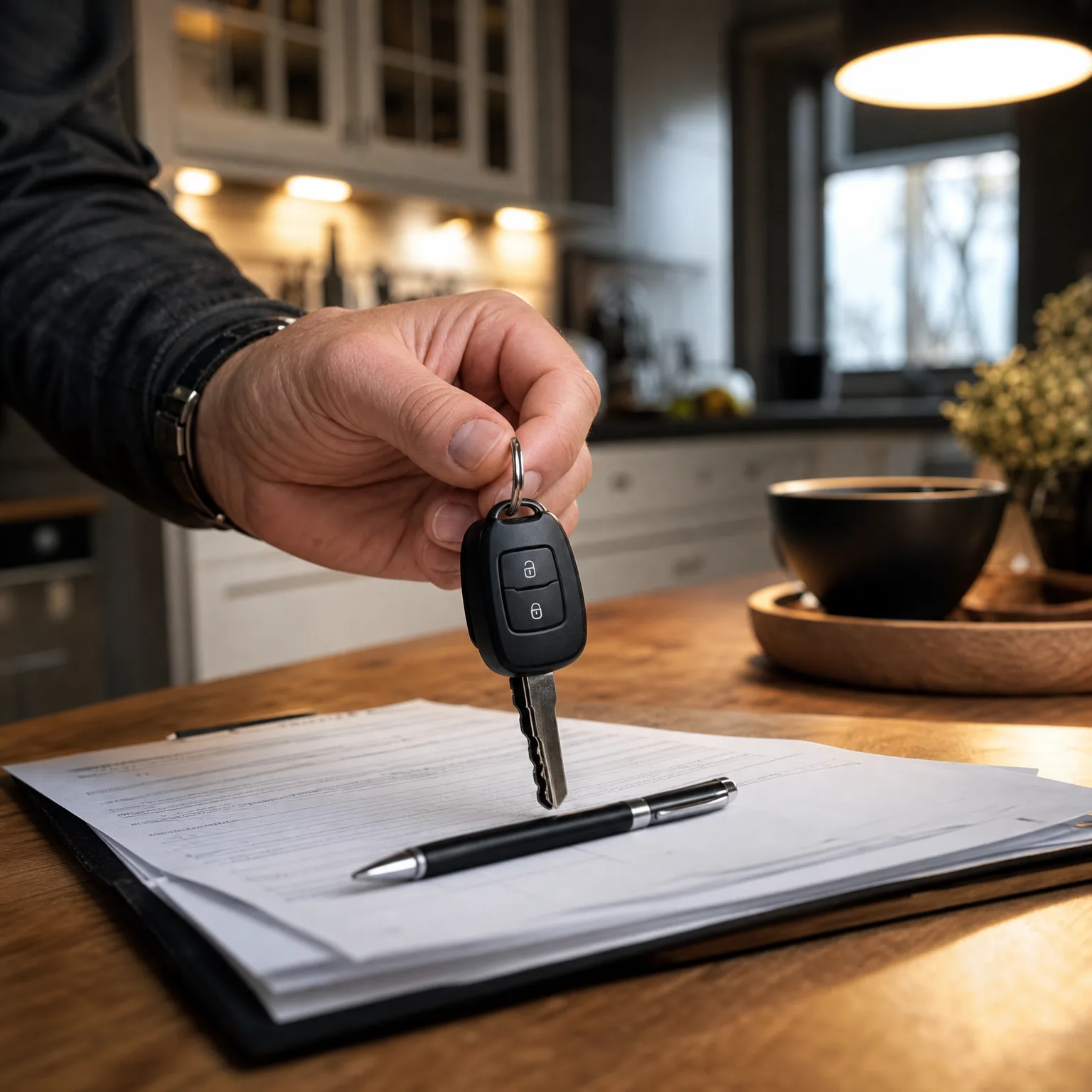
If you financed your vehicle through a bank, credit union, or buy-here-pay-here lot, your loan contract almost certainly includes a physical damage coverage requirement. The lender holds a lienholder interest in the vehicle and requires collision and comprehensive to protect their collateral. This is a contractual obligation independent of South Carolina's SR-22 requirement. Dropping physical damage coverage while a lien is active violates the loan agreement and can trigger forced-place insurance, which costs significantly more than a policy you choose yourself.
Leased vehicles carry the same requirement. The lessor owns the vehicle and mandates full coverage for the duration of the lease term. If you're in a lease and you drop collision or comprehensive, the leasing company will place coverage on your behalf and bill you at rates often double what you'd pay on the open market. The only way out of the full coverage requirement is to return the leased vehicle or pay off the loan and take sole ownership.
If you own your vehicle outright — title in hand, no lien, no lease — then South Carolina law allows you to carry liability-only coverage and satisfy your SR-22 reinstatement obligation. You bear the risk of out-of-pocket repairs if you're at fault in an accident or if your vehicle is stolen or damaged by weather, but the state does not penalize you for that choice.
3 years
SC SR-22 Filing Period
South Carolina requires SR-22 filing for 36 months after DUI conviction. The period starts from conviction date, not filing date. Early termination is not permitted — the full 3-year period must run without a lapse to clear the reinstatement hold.
SC Code § 56-5-2951

Non-Owner SR-22 as the Minimum Path
If you do not currently own a vehicle and you're working toward Route Restricted License approval or full reinstatement, a non-owner SR-22 policy satisfies SCDMV's liability requirement at the lowest possible monthly cost. Non-owner policies provide liability coverage when you drive a borrowed or rented vehicle but do not cover a specific vehicle you own. Premiums typically range from $35 to $75/month with non-standard carriers writing SR-22 in South Carolina — significantly lower than standard liability policies tied to a specific vehicle.
Non-owner SR-22 is the correct choice when you sold your vehicle after suspension, when you're borrowing a family member's car during your restricted license period, or when you're using public transit and rideshare but still need to maintain SR-22 filing to keep your reinstatement timeline moving. The coverage follows you as a driver, not a specific VIN. SCDMV accepts non-owner SR-22 filings for DUI reinstatement as long as the policy meets state liability minimums and remains active for the full 3-year period.
Getting Comparable Quotes in Your County
Non-standard carriers price SR-22 policies using county-level rating territories, prior insurance history, ADSAP completion status, and whether your Route Restricted License or full reinstatement is already approved or pending. A quote from one carrier in Charleston might differ by $60/month from another carrier's quote in the same ZIP code. The only way to identify the actual lowest-cost option is to compare binding quotes from multiple carriers writing SR-22 in South Carolina.
Start by confirming whether you need full coverage due to a lien or lease, or whether liability-only satisfies both your lender and the state. If you own your vehicle outright, request liability-only quotes at South Carolina's minimum limits from Dairyland, The General, GAINSCO, Bristol West, and Direct Auto. If full coverage is required, request quotes with varying deductibles — $500, $1,000, and $2,500 — to see how deductible changes affect your monthly premium. Compare the quotes you receive against your current reinstatement timeline and the total cost over the 3-year SR-22 period to identify the financially sustainable option.
How Minimum Liability Quotes Compare
Dairyland, The General, GAINSCO, Bristol West, and Direct Auto all write SR-22 liability in South Carolina. Monthly premiums for minimum state limits after a first-offense DUI conviction typically range from $140 to $220 in metro counties (Charleston, Greenville, Columbia) and $115 to $185 in rural counties. These are approximations based on available industry data — individual rates vary by age, ZIP code, prior insurance history, and whether you completed ADSAP before quoting.
Full coverage quotes from the same carriers (liability + collision + comprehensive with $500 or $1,000 deductibles) typically run $230 to $400/month in the same rating territories. The collision and comprehensive components add roughly $90 to $180/month on top of the base liability premium. If your vehicle is worth less than $5,000 and you own it outright, you're paying for coverage that might not return meaningful value after the deductible is applied in a claim.
Get Your Free Quote
Get My South Carolina DUI Insurance QuoteFrequently Asked Questions
Does South Carolina require full coverage insurance after a DUI?
No. South Carolina requires only liability coverage meeting state minimums ($25,000/$50,000/$25,000) plus uninsured motorist coverage. SR-22 filing certifies liability coverage, not physical damage coverage. Your lender might require full coverage under your loan agreement, but SCDMV does not.
Can I drop collision and comprehensive after my DUI suspension ends?
If you own your vehicle outright, yes — South Carolina does not require physical damage coverage at any point. If your vehicle is financed or leased, your lender or lessor controls that decision under the loan or lease contract, not the state.
How much does SR-22 liability-only insurance cost in South Carolina after a DUI?
Non-standard carriers typically quote $140 to $220/month for liability-only SR-22 policies at state minimum limits in metro counties. Rural counties run $115 to $185/month. Rates vary by age, county, prior insurance history, and ADSAP completion status.
Can I use a non-owner SR-22 policy to reinstate my South Carolina license after DUI?
Yes. SCDMV accepts non-owner SR-22 filings for DUI reinstatement as long as the policy meets state liability minimums and remains active for the full 3-year filing period. Non-owner policies cost $35 to $75/month and are the correct choice when you do not currently own a vehicle.
What happens if I let my SR-22 policy lapse during the 3-year filing period?
Your carrier notifies SCDMV electronically within 24 hours of the lapse. SCDMV suspends your driving privilege immediately and restarts the 3-year SR-22 filing period from the date you reinstate coverage. You cannot shorten the total filing period by lapsing and restarting.
Does raising my liability limits above state minimums lower my SR-22 premium?
No. Higher liability limits increase your premium. Most non-standard carriers price policies at state minimums for post-DUI drivers because the SR-22 filing itself already places you in a high-risk rating tier. Raising limits to $50,000/$100,000/$50,000 typically adds $25 to $50/month.