
Multiple DUI Insurance — South Carolina
Free to compare
The Multiple-Offense Carrier Problem
You received your second or third DUI conviction in South Carolina. You called your current carrier and they canceled your policy outright. You called three other major carriers and received identical responses: we cannot provide coverage with multiple DUI convictions on record. The rejection feels absolute, but the structural reality is different — you are calling carriers in the wrong tier.
Standard and preferred carriers (State Farm, Allstate, Geico for preferred-risk drivers) use conviction count as a hard underwriting cutoff. Two or more DUI convictions within a rolling window trigger automatic declination regardless of time elapsed. Non-standard carriers (Acceptance, Bristol West, Dairyland, Direct Auto, GAINSCO, The General) use time-since-last-conviction as the primary pricing variable. Conviction count still matters, but recency determines whether you qualify and at what tier. The carrier tier you need depends on when your most recent conviction occurred, not how many convictions you have total.
“Standard carriers reject on conviction count; non-standard carriers price on recency. The cheapest option depends on when your last offense occurred, not how many you have.”

Find South Carolina Coverage After a DUI
Get My South Carolina DUI Insurance Quote3 years
SC SR-22 Filing Period
South Carolina requires continuous SR-22 filing for three years following DUI reinstatement, measured from the date SCDMV restores your driving privilege, not the conviction date. A lapse of even one day during this period triggers immediate suspension and restarts the three-year clock.
South Carolina Code § 56-5-2951
Why Standard Carriers Reject Multiple Offenses
Standard carriers operate under actuarial models that classify multiple DUI convictions as uninsurable risk. The second conviction moves you into a statistical category where the probability of a third incident exceeds the carrier's acceptable loss ratio. These carriers do not price multiple-offense risk — they exclude it entirely from their underwriting guidelines.
Conviction count functions as a binary gate in standard-tier underwriting systems. One DUI conviction moves you to high-risk pricing within the standard market. Two convictions move you outside the standard market entirely. Time elapsed between convictions does not reopen access to standard carriers. A driver with two DUI convictions 10 years apart faces the same declination as a driver with two convictions 18 months apart when applying to State Farm, Allstate, or Geico's standard auto division.
This is why calling additional standard carriers after the first rejection wastes time. The underwriting rule is identical across the tier. You are not being rejected because of poor customer service or a mistake in your application. You are being rejected because the carrier tier you are contacting does not write policies for drivers with your conviction profile.

Standard carriers reject multiple DUI convictions as a category. Non-standard carriers price them on a recency curve — the blocker is not your conviction count but the tier you're calling.






SR-22 Filing Requirements After Multiple DUIs
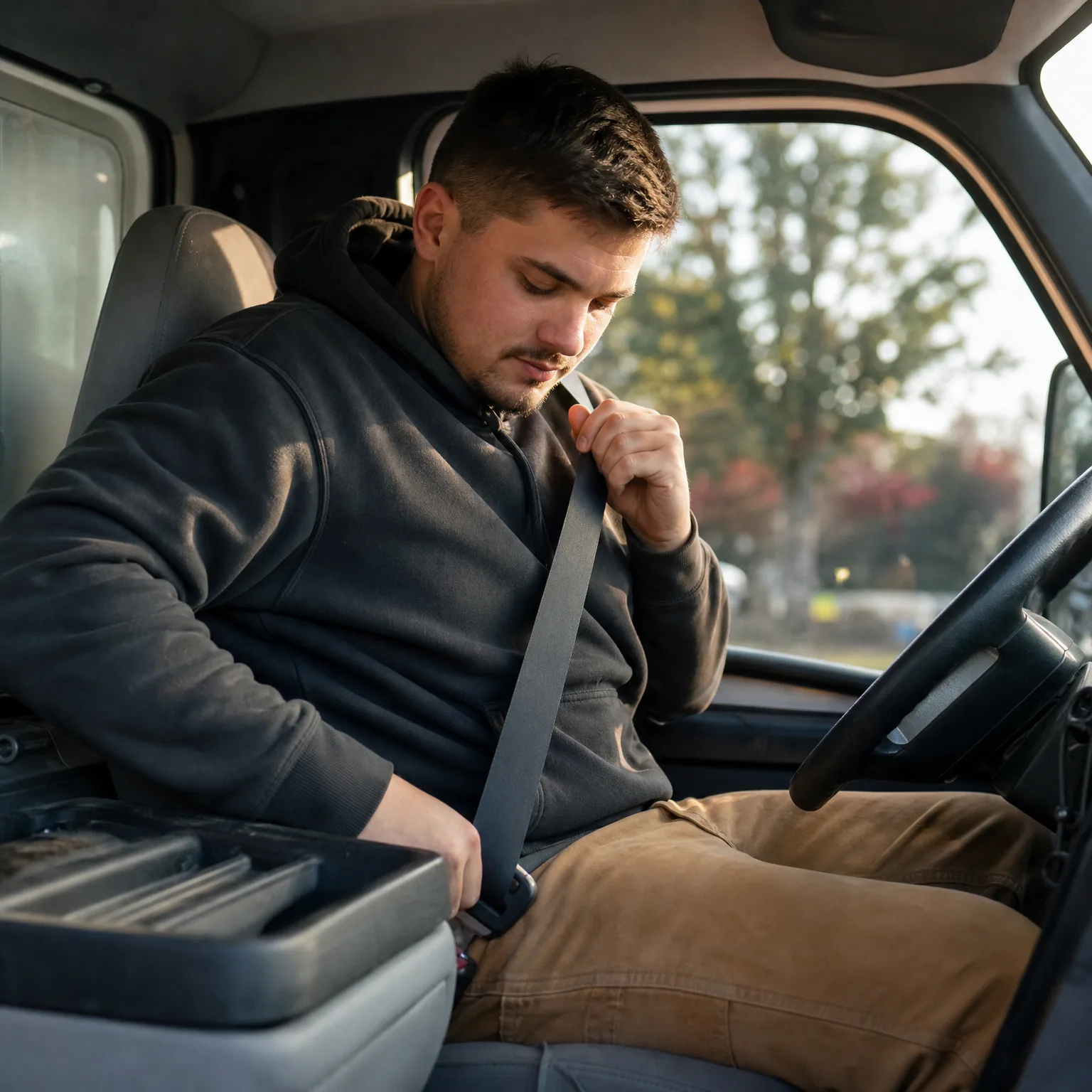
South Carolina requires SR-22 filing for all DUI-related suspensions. The SR-22 is not insurance — it is a certificate your insurance carrier files electronically with SCDMV proving you carry at least state-minimum liability coverage. The filing must remain active and continuous for three years from your reinstatement date. If your policy lapses or cancels for any reason during the three-year period, your carrier notifies SCDMV within 24 hours and your license suspends immediately.
Multiple-offense drivers face higher lapse risk because non-standard carriers enforce stricter payment terms than standard carriers. Most non-standard policies require automatic monthly electronic payment. Missing a single payment triggers a 10-day cancellation notice. If payment is not received within that window, the policy cancels and SCDMV receives the lapse notification before you receive the final cancellation letter. Reinstatement after an SR-22 lapse requires paying a new $100 reinstatement fee, filing a new SR-22, and restarting the three-year filing clock from zero.
Some drivers attempt to avoid SR-22 costs by letting the suspension run its full term without filing, then reinstating after the suspension period expires. This strategy fails in South Carolina because SCDMV will not reinstate a DUI-related suspension without proof of SR-22 filing on record. The suspension does not automatically lift when the time period ends — you must complete ADSAP (Alcohol and Drug Safety Action Program), pay the $100 reinstatement fee, and maintain active SR-22 coverage before SCDMV will restore driving privileges.
$140–$280/mo
SC Multiple-DUI Premium Range
Non-standard carriers in South Carolina quote $140–$280/month for state-minimum liability with SR-22 for drivers with two DUI convictions, depending on time since last conviction and carrier-specific underwriting. Third convictions add approximately $40–$80/month to these ranges. Estimates based on available industry data; individual rates vary.

Ignition Interlock Requirements and Insurance
South Carolina mandates ignition interlock devices (IID) for all DUI offenders under Emma's Law, including first offenses. Multiple-offense drivers face longer IID periods — typically 2–4 years depending on conviction count and whether the offenses involved aggravating factors like high BAC or accident involvement. The IID requirement runs concurrently with your SR-22 filing period, meaning both obligations must be satisfied simultaneously.
Installing an IID does not reduce your insurance premium. Carriers do not offer discounts for IID installation because the device does not reduce the statistical risk of non-DUI incidents (collision, comprehensive claims, liability claims unrelated to impairment). Some drivers assume that proving sobriety through an IID will move them back into standard-tier pricing — it does not. The IID satisfies a legal requirement for restricted driving privileges but has no effect on carrier underwriting tier or rate calculation.
Compare Carriers Within 48 Hours of Reinstatement Eligibility
Once you complete ADSAP and satisfy your suspension period, you have a narrow window to secure coverage before SCDMV processes your reinstatement. Applying to carriers before you are eligible wastes application cycles — most non-standard carriers require proof that you are legally eligible to drive (even under restricted license) before they will bind a policy. Wait until you have your ADSAP completion certificate and reinstatement eligibility confirmation from SCDMV, then compare rates across the non-standard carrier set within 48 hours.
Request quotes from at least four non-standard carriers writing in South Carolina: Acceptance, Bristol West, Dairyland, and The General. Each carrier will ask for your conviction dates, ADSAP completion proof, and current license status. Provide identical information to each carrier to ensure rate comparisons reflect true pricing differences rather than variations in disclosed history. Rates quoted over the phone are binding for 30 days in most cases — secure quotes from all carriers before selecting one, because the first quote you receive will rarely be the lowest available.
Non-Standard Carrier Underwriting Structure
Time-since-last-conviction determines both eligibility and tier placement. If your most recent DUI conviction occurred within the past 12 months, you qualify for non-standard coverage but at the highest pricing tier the carrier offers — typically $240–$320/month for state-minimum liability with SR-22 in South Carolina. If your most recent conviction occurred 2–3 years ago, you move into mid-tier pricing at approximately $160–$240/month. If your most recent conviction occurred more than 5 years ago, some non-standard carriers will quote near-standard rates of $120–$180/month despite the presence of older convictions on your record.
Acceptance Insurance, Bristol West, Dairyland, Direct Auto, GAINSCO, and The General all write multiple-DUI policies in South Carolina with SR-22 filing. Each carrier uses slightly different recency thresholds and pricing curves. Acceptance typically offers the lowest rates for drivers 2+ years post-conviction. Bristol West and GAINSCO price competitively for drivers under 12 months post-conviction. The General and Direct Auto occupy the middle band. Shopping across this carrier set produces rate variance of $60–$100/month for identical coverage, making comparison mandatory rather than optional.
Get Your Free Quote
Get My South Carolina DUI Insurance QuoteFrequently Asked Questions
Can I get insurance in South Carolina with 3 DUIs?
Yes. Non-standard carriers (Acceptance, Bristol West, Dairyland, Direct Auto, GAINSCO, The General) write policies for drivers with three or more DUI convictions in South Carolina. Rates depend on time since your most recent conviction — expect $180–$320/month for state-minimum liability with SR-22 if your last conviction occurred within 3 years, dropping to $140–$220/month if it occurred more than 5 years ago.
How long does SR-22 filing last after a second DUI in SC?
South Carolina requires SR-22 filing for 3 years after DUI reinstatement, measured from the date SCDMV restores your license. A second DUI does not extend the filing period beyond 3 years unless you incur a lapse during the filing window, which restarts the clock. The filing must remain continuous — any lapse triggers immediate suspension.
Will my insurance drop me after a second DUI?
Standard carriers (State Farm, Allstate, Geico, Nationwide) typically cancel policies immediately upon notification of a second DUI conviction. Non-standard carriers may retain you if you were already insured with them, but your rate will increase significantly — expect 150–200% premium hikes at renewal. If canceled, you must move to a non-standard carrier that writes multiple-offense policies.
Do I need SR-22 if my license is still suspended?
Yes. South Carolina requires proof of SR-22 filing as a condition of reinstatement after DUI suspension. You cannot reinstate your license until you have an active SR-22 on file with SCDMV. Some drivers purchase non-owner SR-22 policies during suspension to satisfy this requirement without owning a vehicle.
Can I get full coverage insurance with multiple DUIs in South Carolina?
Yes, but few non-standard carriers offer comprehensive and collision coverage to multiple-offense drivers, and premiums are prohibitively high — typically 3–4 times the cost of liability-only coverage. Most drivers with multiple DUIs carry state-minimum liability with SR-22 until at least 3 years post-conviction, then re-shop for full coverage once time-since-conviction improves their tier placement.
Does ignition interlock reduce my insurance rate in South Carolina?
No. Installing an ignition interlock device satisfies Emma's Law requirements for restricted driving privileges but does not reduce insurance premiums. Carriers do not offer IID discounts because the device does not reduce non-DUI claim risk. Your rate is determined by conviction count, time since last conviction, and carrier tier — IID installation affects none of these variables.
How much does insurance cost after a second DUI in SC?
Non-standard carriers in South Carolina quote $140–$280/month for state-minimum liability with SR-22 after a second DUI, depending on time since conviction. If your last conviction occurred within 12 months, expect the high end of this range. If it occurred 3+ years ago, rates drop toward the lower end. Estimates based on available industry data; individual rates vary by age, driving history, and coverage selections.