
Auto-Owners DUI Insurance — South Carolina
Free to compare
Why Your Auto-Owners Agent Said No
Your Auto-Owners agent told you they can't write your policy after the DUI. Not that rates went up — that they can't write it at all. This isn't a pricing decision. Auto-Owners operates in South Carolina through independent agents, and the company does not underwrite high-risk auto policies that require SR-22 filing. The agent isn't refusing you. The company's underwriting guidelines exclude DUI convictions from their preferred and standard tiers entirely.
What the agent may not have explained clearly: you're being handed off to a different carrier. The agent likely presented options from Bristol West, Dairyland, The General, or National General — all non-standard carriers that do write SR-22 policies in South Carolina. These are not Auto-Owners subsidiaries. They are separate companies with separate underwriting, separate AM Best ratings, and separate rate structures. You're not getting an Auto-Owners policy at a higher rate. You're getting a completely different product.
“You're not getting an Auto-Owners policy at a higher rate — you're getting a completely different product from a different underwriter.”

Find South Carolina Coverage After a DUI
Get My South Carolina DUI Insurance Quote3 years
SC SR-22 Filing Period
South Carolina requires continuous SR-22 filing for three years after a DUI conviction, measured from the date SCDMV accepts your filing — not the conviction date. A lapse triggers suspension and restarts the three-year clock from the date you refile.
SC Code § 56-10-520, SCDMV reinstatement requirements
What Auto-Owners Actually Underwrites in South Carolina
Auto-Owners holds an AM Best rating of A+ and writes preferred-tier auto insurance in 26 states including South Carolina. The company operates exclusively through independent agents — no online quotes, no direct sales. Their underwriting appetite focuses on drivers with clean records, homeowners bundling policies, and multi-car households. A DUI conviction disqualifies you from this tier immediately.
South Carolina's three-year SR-22 requirement after DUI means you need a carrier willing to file and maintain that certificate with SCDMV. Auto-Owners does not offer SR-22 filing services. The structural mismatch is total: the company doesn't write the coverage type you're required to carry. Your agent's job at that point is to place you with a carrier in their agency portfolio that does write non-standard SR-22 policies.
This isn't unique to Auto-Owners. Most preferred-tier carriers — Amica, Erie, and others with A+ ratings — exclude DUI cases from underwriting guidelines. The agent redirection you experienced is standard industry practice when a preferred carrier can't accommodate high-risk exposure.
The handoff to a non-standard carrier isn't your agent managing your file inside Auto-Owners. It's a new application with a new company that prices DUI risk completely differently.



How South Carolina SR-22 Filing Actually Works
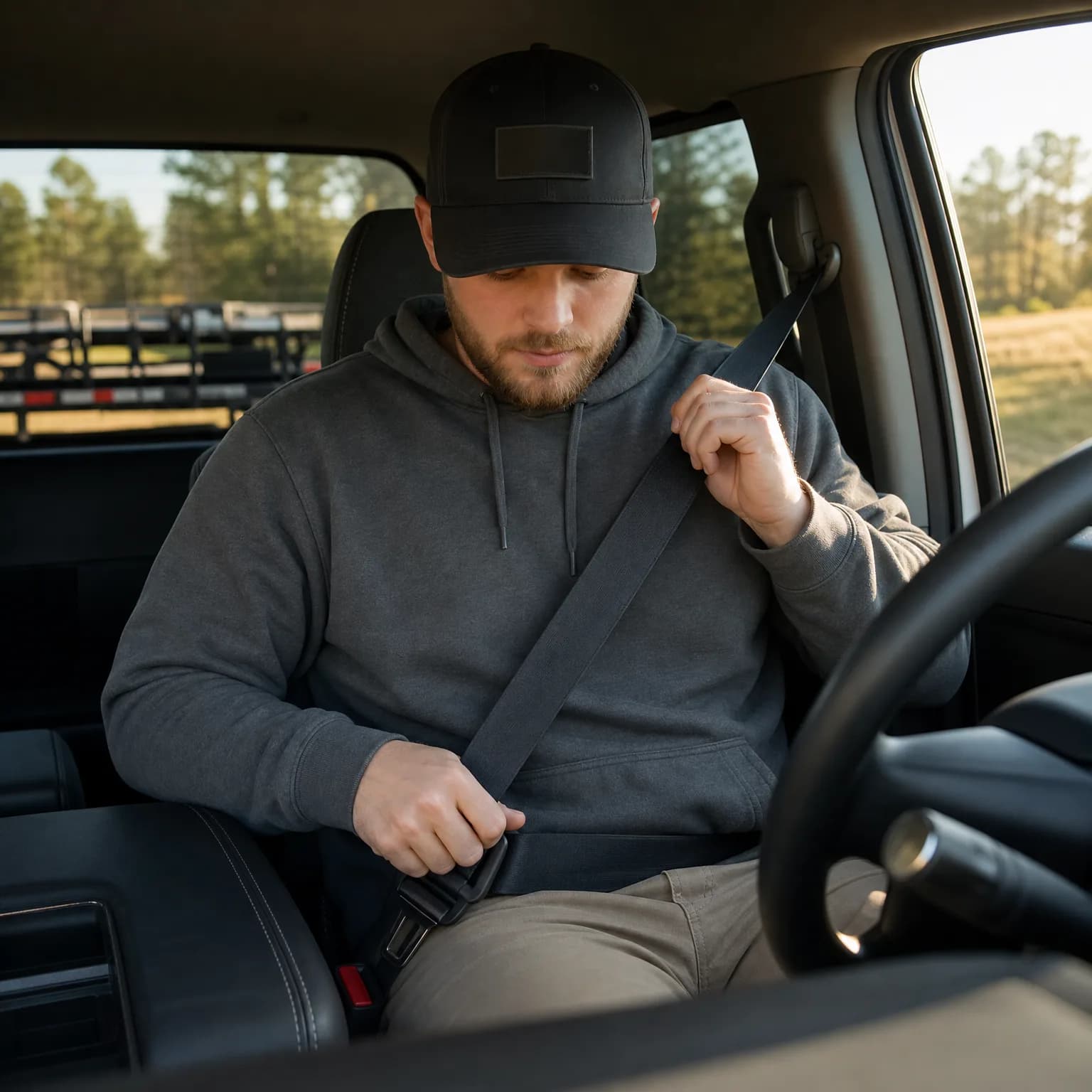
SR-22 is not insurance. It's a certificate your carrier files electronically with SCDMV proving you carry at least South Carolina's minimum liability limits: $25,000 per person, $50,000 per accident, $25,000 property damage. The carrier charges a one-time filing fee — typically $25 to $50 — then transmits the certificate to the state within one to three business days of policy activation.
Your three-year filing period begins the day SCDMV accepts the SR-22, not the day you buy the policy. If you let coverage lapse for any reason — missed payment, cancellation, switching carriers without overlapping coverage — the current carrier notifies SCDMV within 24 hours and your license suspends immediately. Refiling costs another $100 reinstatement fee on top of the new SR-22 filing fee, and the three-year clock resets to day one.
You must maintain continuous coverage for the entire three years. Switching carriers mid-period is allowed, but the new carrier must file SR-22 before the old policy cancels. Most high-risk carriers will coordinate the transfer if you give them five business days' notice. Letting even one day lapse between policies triggers suspension and restart.
$100
SC Reinstatement Fee
South Carolina assesses a $100 base reinstatement fee after any DUI suspension. If you lapse SR-22 coverage during your three-year filing period, you pay this fee again to restore your license — in addition to the new SR-22 filing fee and any premium your carrier charges to reinstate the policy.
SCDMV reinstatement fee schedule, SC Code § 56-1-460
What a Route Restricted License Means for Insurance
South Carolina offers a Route Restricted License during your suspension period. This hardship license allows driving to work, school, medical appointments, and ADSAP classes on court-approved routes only. You apply through SCDMV, pay a $100 application fee, and prove you carry SR-22 coverage meeting state minimums. If your DUI involved a BAC of 0.15 or higher, you must also install an ignition interlock device before SCDMV approves the restricted license.
The Route Restricted License does not reduce your SR-22 filing requirement. You still need continuous coverage for three years, and you still face the same lapse consequences. The restricted license simply allows limited legal driving while the suspension runs. Most carriers treat a restricted license the same as a suspended license for rating purposes — you're still in the high-risk tier, and premiums reflect DUI exposure regardless of whether you hold a hardship privilege.
Non-Owner SR-22 If You Don't Have a Vehicle
If you sold your vehicle after the DUI or don't own a car during your suspension, you still need SR-22 coverage to satisfy SCDMV's reinstatement requirement. A non-owner SR-22 policy provides liability coverage when you drive a borrowed or rental vehicle and files the required certificate with the state. Geico, Progressive, Dairyland, and The General all write non-owner SR-22 policies in South Carolina.
Non-owner policies typically cost $30 to $70 per month — significantly less than standard auto policies because the carrier assumes you drive infrequently. The three-year filing requirement still applies. If you buy a vehicle during the filing period, you must convert to a standard auto policy with SR-22 attached. The non-owner policy does not cover a vehicle you own or regularly use. Notify your carrier immediately when your vehicle ownership status changes to avoid a coverage gap that triggers suspension.

Compare Carriers That Actually Write Your Case
Auto-Owners cannot help you meet South Carolina's SR-22 requirement after a DUI. The agent who redirected you did so because no underwriting path exists inside the company for your situation. The seven carriers listed above — Progressive, Geico, State Farm, Bristol West, Dairyland, The General, and Direct Auto — all write SR-22 policies in South Carolina and accept DUI cases with varying underwriting standards and rate structures. Request quotes from at least three to identify the lowest premium for your county, age, and coverage needs. Rates vary by $50 to $100 per month across carriers for identical coverage, and the cheapest option today may not be the cheapest option when you renew in six months. Start comparisons now — your three-year filing clock is already running.
Which Carriers Write SR-22 Policies After DUI in South Carolina
Progressive, Geico, and State Farm all file SR-22 certificates in South Carolina and accept DUI cases, though often at higher standard-tier rates than their clean-record customers pay. Progressive explicitly markets SR-22 filing capability and allows online quotes for most applicants. Geico files SR-22 for existing customers and new applicants but may decline multi-violation cases. State Farm agents handle SR-22 filing but underwriting approval depends on time since conviction and overall driving record.
Bristol West, Dairyland, The General, and Direct Auto specialize in high-risk cases. These carriers expect DUI applicants and price accordingly. Bristol West operates through independent agents and offers monthly payment plans. Dairyland writes non-owner SR-22 policies for suspended drivers without vehicles. The General and Direct Auto both provide online quotes and storefront locations across South Carolina. Expect monthly premiums in the $150–$280 range depending on county, age, and coverage limits selected.
Get Your Free Quote
Get My South Carolina DUI Insurance QuoteFrequently Asked Questions
Can I stay with Auto-Owners after a DUI in South Carolina?
No. Auto-Owners does not underwrite high-risk auto policies or file SR-22 certificates in any state. A DUI conviction disqualifies you from their preferred-tier underwriting guidelines immediately, and your agent must place you with a carrier that writes non-standard SR-22 coverage.
Why does my Auto-Owners agent keep showing me other carriers?
Your agent represents multiple insurance companies, not just Auto-Owners. When Auto-Owners declines your case due to the DUI, the agent's job is to find a carrier in their portfolio that will write SR-22 coverage. The quotes you're seeing are from entirely different companies with different underwriting and pricing.
How much does SR-22 insurance cost after a DUI in South Carolina?
Monthly premiums typically range from $150 to $280 depending on your county, age, and the carrier you choose. The SR-22 filing fee itself is $25 to $50 one-time. Total cost over three years includes premiums, the filing fee, and South Carolina's $100 reinstatement fee if applicable.
Do I need SR-22 if I have a Route Restricted License in South Carolina?
Yes. The Route Restricted License allows limited driving during suspension, but it does not eliminate the SR-22 filing requirement. You must maintain continuous SR-22 coverage for three years regardless of whether you hold a hardship license.
What happens if I let my SR-22 coverage lapse in South Carolina?
Your carrier notifies SCDMV within 24 hours of cancellation, and your license suspends immediately. You pay a $100 reinstatement fee, a new SR-22 filing fee, and your three-year filing period resets to day one from the date you refile.
Can I get non-owner SR-22 insurance if I don't have a car?
Yes. Non-owner SR-22 policies provide liability coverage when you drive borrowed or rental vehicles and satisfy South Carolina's filing requirement. Geico, Progressive, Dairyland, and The General all write non-owner SR-22 in South Carolina, with monthly premiums typically $30 to $70.